Looking to escape the crowds and discover underrated European towns that most travelers overlook? This guide is designed for curious explorers who want more than packed landmarks and predictable itineraries. Instead of circling the same major capitals, we’ll highlight lesser-known destinations rich in culture, walkable charm, authentic cuisine, and unforgettable scenery.
Many travelers struggle to find reliable recommendations beyond the usual tourist hubs. That’s why this article draws on in-depth destination research, local insights, and first-hand travel analysis to spotlight towns that deliver real value—whether you’re planning a slow cultural escape, a scenic rail journey, or a spontaneous weekend adventure.
Inside, you’ll find thoughtfully selected towns, practical travel tips, and cultural context to help you plan smarter and travel deeper. If your goal is to experience Europe in a more meaningful, less crowded way, this guide will show you exactly where to start.
Why Your Next European Trip Should Skip the Big Cities
I once waited two hours to enter the Louvre, only to glimpse the Mona Lisa through a wall of phones (so much for romance). That’s over-tourism—when popular destinations become so crowded that the experience feels staged rather than lived (UNWTO notes record-breaking arrivals in Europe in recent years).
Big cities like Paris or Rome are iconic, yes. But icons can overshadow intimacy. You miss the soul—the café conversations, the quiet markets, the unhurried smiles.
Instead, explore underrated European towns like:
- Kotor, Montenegro
- Colmar, France
- Matera, Italy
I’ve wandered their backstreets, shared homemade rakija, and watched sunsets without selfie sticks in sight. You’ll leave with practical routes, local stays, and cultural tips to travel deeper—not just farther.
The Azores, Portugal: Europe’s Volcanic Answer to Hawaii
The Azores feel like Hawaii’s quieter, moodier cousin. Think emerald cliffs plunging into the Atlantic, volcanic craters the size of stadiums, and hot springs that steam under cool island rain. São Miguel’s Sete Cidades crater alone looks like a fantasy film set (yes, it’s that dramatic). Add world-class whale watching—over 20 cetacean species recorded in Azorean waters, according to the Azores Tourism Board—and you’ve got a natural playground without the crowds.
Hawaii vs. Azores? Hawaii offers polished resorts and predictable sunshine. The Azores deliver raw landscapes and fewer tour buses. Lisbon and the Algarve buzz with city energy and beach clubs; the Azores move at pasture-and-fishing-village pace. That remoteness—about 1,500 km from mainland Portugal—has preserved traditions, from dairy farming to Holy Spirit festivals. It feels more like discovering one of those underrated European towns, except stretched across volcanic islands.
Actionable Tips
- Best Time to Visit: May to September for hiking and peak whale activity.
- Getting Around: Rent a car on São Miguel. Public transport exists, but freedom wins here.
- Must-Do: Hike to the Sete Cidades viewpoint, then soak in Furnas’ thermal pools (your muscles will thank you).
Some argue the Azores’ unpredictable weather is a downside. Fair. But that mist rolling over crater lakes? It’s part of the magic. If you want curated paradise, choose Hawaii. If you want wild, choose the Azores.
Olomouc, Czech Republic: A Fairytale City Without the Crowds

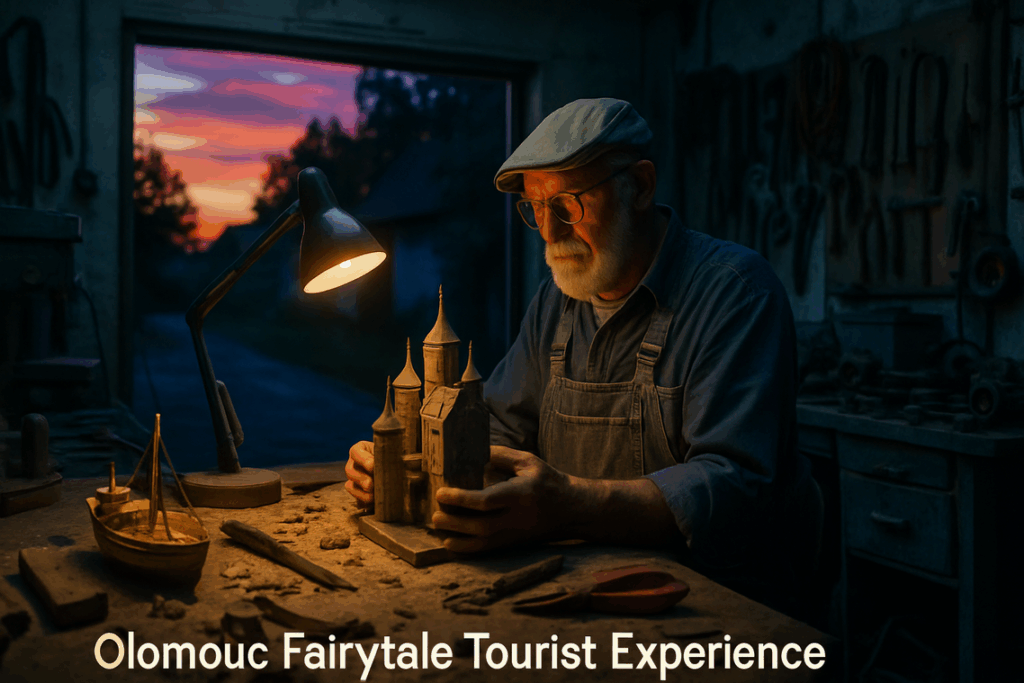
If Prague feels like a storybook staged for the world, Olomouc feels like one you accidentally wander into. Often called Prague’s quieter, more authentic cousin, this former capital of Moravia delivers baroque beauty without the shoulder-to-shoulder crowds. At its heart stands the UNESCO-listed Holy Trinity Column—meaning it’s officially recognized by the United Nations for its outstanding cultural value (UNESCO World Heritage Centre). It’s not just ornate; it’s a towering thank-you monument built in the 18th century after a plague ended.
Granted, some travelers argue that skipping Prague’s grandeur is a mistake. Fair. But Olomouc offers something Prague increasingly struggles to: space, spontaneity, and prices that don’t make you blink twice. The astronomical clock—remade in a rare socialist-realist style after WWII—adds a layer of 20th-century history most guidebooks barely unpack (a quirky twist you won’t see in many underrated European towns).
Moreover, the city’s large student population keeps cafés buzzing and beer gardens refreshingly unpretentious. For a true local test, try Olomoucké tvarůžky, a famously pungent cheese with Protected Geographical Indication status in the EU. It smells bold. It tastes sharper. Pair it with a Moravian lager and thank me later.
Getting here is simple: a direct train from Prague takes about 2.5 hours (Czech Railways). Consider it an easy multi-day detour. And if you’re already into slow, meaningful travel—like exploring biodiversity hotspots around the globe—Olomouc fits that thoughtful rhythm perfectly.
Gjirokastër, Albania: A Stone City Steeped in History
Perched above the Drino Valley, Gjirokastër glows the color of warm honey at sunset, its stone-roofed houses stacked like a giant’s staircase. The air smells faintly of wood smoke and mountain thyme, and cobbled streets echo with the soft tap of footsteps. At the summit, the vast castle broods over the valley, wind whipping along its ramparts and carrying the distant clang of church bells. This Ottoman-era masterpiece is why travelers call it the “City of Stone” (and yes, it feels like stepping onto a Game of Thrones set).
Yet, compared to other underrated European towns, Gjirokastër remains blissfully uncrowded. Albania is still emerging on Western travel radars, which means generous prices, welcoming smiles, and that rare thrill of discovery. Some argue the infrastructure can be uneven; however, that raw edge is part of the charm—authentic, unfiltered, and refreshingly real.
To understand traditional life, step inside Zekate House and Skenduli House. Their carved wooden ceilings, cool stone floors, and intimate guest rooms reveal how extended families once lived, hosted, and celebrated.
For the best experience, visit in spring (April-June) or fall (September-October), when the light is golden and the heat gentle. Pro tip: pair your stay with the Albanian Riviera for a seamless blend of history and turquoise coastline.
Meanwhile, cafés serve strong, sweet coffee, slowly.
Your Blueprint for Authentic European Travel
It’s easy to land in Paris, queue for hours, snap the photo, and leave feeling oddly untouched. Tourist hubs promise magic—but often deliver crowds, inflated menus, and surface-level experiences. The real difference? Observation versus participation.
Consider two paths:
- Capital City Circuit: Landmark selfies, English-only menus, souvenir shops on every corner.
- Regional Detour: Family-run cafés, dialects you’ve never heard, invitations to local festivals.
Option A is convenient. Option B is connective. One checks boxes; the other builds stories (the kind you’ll still tell years later).
Some argue that major cities hold the culture. Fair. They do house iconic museums and historic sites. But culture isn’t confined to capitals—it lives in bakeries at dawn and train platforms in towns you almost skipped. Exploring underrated European towns in the section once exactly as it is given reveals how much depth lies beyond the spotlight.
The blueprint is simple:
- Research regional train routes instead of short flights.
- Compare smaller airports with lower-traffic arrivals.
- Ask locals, “Where do you go on Sunday?”
Pro tip: Morning markets often reveal more about a place than any guided tour (and the snacks are better).
The most unforgettable moments rarely appear on “Top 10” lists. They happen when you choose curiosity over convenience—and take the chance anyway.
Exploring underrated European towns beyond the tourist trail not only offers unique cultural experiences but also inspires digital nomads to embrace a location-independent lifestyle that celebrates both adventure and work-life balance – for more details, check out our How Digital Nomads Design a Location-Independent Lifestyle.
Start Planning Your Next European Escape
You came here looking for fresh inspiration beyond the overcrowded hotspots—and now you have it. From cultural depth to budget-friendly charm, these underrated European towns prove that unforgettable experiences don’t require battling massive tourist crowds or overspending.
The real frustration with popular destinations is the noise, the lines, and the feeling that you’re missing the “real” Europe. Choosing lesser-known gems solves that. You get authenticity, meaningful connections, and the freedom to explore at your own pace.
Now it’s your move.
Pick one destination that excited you most and start mapping out your route, lodging, and must-see local experiences today. Don’t let another trip turn into the same predictable itinerary.
Thousands of smart travelers already use our curated travel insights and practical hacks to uncover hidden gems and plan smoother adventures. Join them—start planning now and turn your next getaway into the kind of European story most travelers never get to tell.
 Chunanirala Johnson writes the kind of cultural trekking insights content that people actually send to each other. Not because it's flashy or controversial, but because it's the sort of thing where you read it and immediately think of three people who need to see it. Chunanirala has a talent for identifying the questions that a lot of people have but haven't quite figured out how to articulate yet — and then answering them properly.
They covers a lot of ground: Cultural Trekking Insights, Destination Plans and Discoveries, Hidden Gems, and plenty of adjacent territory that doesn't always get treated with the same seriousness. The consistency across all of it is a certain kind of respect for the reader. Chunanirala doesn't assume people are stupid, and they doesn't assume they know everything either. They writes for someone who is genuinely trying to figure something out — because that's usually who's actually reading. That assumption shapes everything from how they structures an explanation to how much background they includes before getting to the point.
Beyond the practical stuff, there's something in Chunanirala's writing that reflects a real investment in the subject — not performed enthusiasm, but the kind of sustained interest that produces insight over time. They has been paying attention to cultural trekking insights long enough that they notices things a more casual observer would miss. That depth shows up in the work in ways that are hard to fake.
Chunanirala Johnson writes the kind of cultural trekking insights content that people actually send to each other. Not because it's flashy or controversial, but because it's the sort of thing where you read it and immediately think of three people who need to see it. Chunanirala has a talent for identifying the questions that a lot of people have but haven't quite figured out how to articulate yet — and then answering them properly.
They covers a lot of ground: Cultural Trekking Insights, Destination Plans and Discoveries, Hidden Gems, and plenty of adjacent territory that doesn't always get treated with the same seriousness. The consistency across all of it is a certain kind of respect for the reader. Chunanirala doesn't assume people are stupid, and they doesn't assume they know everything either. They writes for someone who is genuinely trying to figure something out — because that's usually who's actually reading. That assumption shapes everything from how they structures an explanation to how much background they includes before getting to the point.
Beyond the practical stuff, there's something in Chunanirala's writing that reflects a real investment in the subject — not performed enthusiasm, but the kind of sustained interest that produces insight over time. They has been paying attention to cultural trekking insights long enough that they notices things a more casual observer would miss. That depth shows up in the work in ways that are hard to fake.