Standing there with an empty suitcase, feeling that familiar dread of “what if I forget something important?” We’ve all been there. Packing can feel like a chore, but it doesn’t have to be.
I’ve flown more times than I can count, and I’ve picked up a few tricks along the way. Forget the generic advice you’ve heard. I’m talking about carry-on packing tips that actually work.
You’ll learn how to save space, cut stress, and still have room for those must-have items.
Trust me, this isn’t about bringing less but packing smarter. You want a system, not just a thrown-together bag. Ready to transform your packing game?
You’ll walk away with practical steps that turn packing into a breeze. Let’s dive in and make sure you’re ready for anything.
Pack with Purpose: Smart Travel Mindset
Ever packed for a trip and realized you brought more “maybe” outfits than actual needs? Me too. The trick is simple: plan for the trip you’re actually taking.
No more overpacking for imaginary events.
Create a basic day-by-day itinerary. It’s not rocket science. Just jot down your plans and match outfits for each activity.
And shoes? Follow the “Rule of Threes.” Pack just three pairs: comfy walking shoes, something dressy, and a pair for specific activities like hiking. This keeps your luggage light and your wardrobe flexible.
Neutral colors are your best friends. Trust me, sticking to black, navy, beige, and white lets you mix and match without packing your entire closet. Not convinced?
Try it once and see how many outfits you can create with fewer items.
Let’s talk about the “just in case” mentality. Ditch it. If you need something desperately, buy it there.
This shift saves space and mental energy. Looking for more tips on how to pack for different climates? Check out how to pack varying climates.
Embrace these carry-on packing tips. Your future self (and your back) will thank you.
Step 2: Get Your Gear Right
Travel. It’s all fun and games until you’re the one huffing and puffing trying to jam a suitcase into an overhead bin. Let’s talk soft-shell versus hard-shell carry-ons.
They’re like the quarterback and the linebacker of luggage. Soft-shells are great for flexibility. You can squeeze them into tight spots and they come with those extra pockets for last-minute stashing.
Hard-shells, though, offer serious protection when you’re the kind who treats their bag like a football.
Now, let’s get to the real game-changers: packing organizers. I can’t stress enough how much packing cubes revolutionized my travel game. They’re essentially drawers for your suitcase.
One for tops, one for bottoms, another for underwear. It’s like Marie Kondo came along for the ride! These cubes compress your clothes, keeping everything tidy and saving space.
You’ve got to try compression bags too. Especially for bulky sweaters or jackets. They suck the air out, making room for more of the stuff you can’t live without.
Then there’s the hanging toiletry bag. Absolute lifesaver in hotel bathrooms. And don’t forget a small electronics pouch to keep chargers and cables from turning into a tangled mess.
There’s something satisfying about knowing exactly where your charger is when your phone’s at 2% (and believe me, it will be). These are your ultimate carry-on packing tips. Trust me, your future self will thank you.
Step 3: Folding vs. Rolling – The Real Deal
Does the rolling vs. folding debate ever end? Not really. It’s a classic.
I used to think folding was the only way, but I learned. Rolling is a game changer for soft, wrinkle-resistant stuff like t-shirts and jeans. You save space and avoid creases.
Now, let me tell you about the Ranger Roll. It’s my go-to for compressing t-shirts and socks. You fold first, roll tightly, and then tuck the ends.
I was skeptical at first. But trust me, it works like magic. Ever tried to fit everything in a tiny suitcase?
This technique is your best friend.
But, not everything likes to roll. Structured items like button-down shirts and blazers? They need folding.
I place them flat on top of my rolled clothes. It keeps them neat and less wrinkled.
Here’s another trick: bundling. It’s advanced, but worth learning. You wrap your clothes around a central core.
It keeps a suit jacket or dress wrinkle-free. Sounds like a lot? Maybe.
Oh, and don’t waste shoe space. Stuff socks, underwear, or cables inside. Every inch counts, especially when you’re following packing essentials weekend getaway tips.
But it saves your clothes from looking like a crumpled mess.
Packing isn’t just about cramming things in. It’s about plan. Once you get the hang of these, you’ll wonder why you ever did it any other way.
So, will you roll, fold, or bundle next time? Try them out. You’ll thank me later.
Conquer Your Toiletry Bag: Outwit Liquid Limits
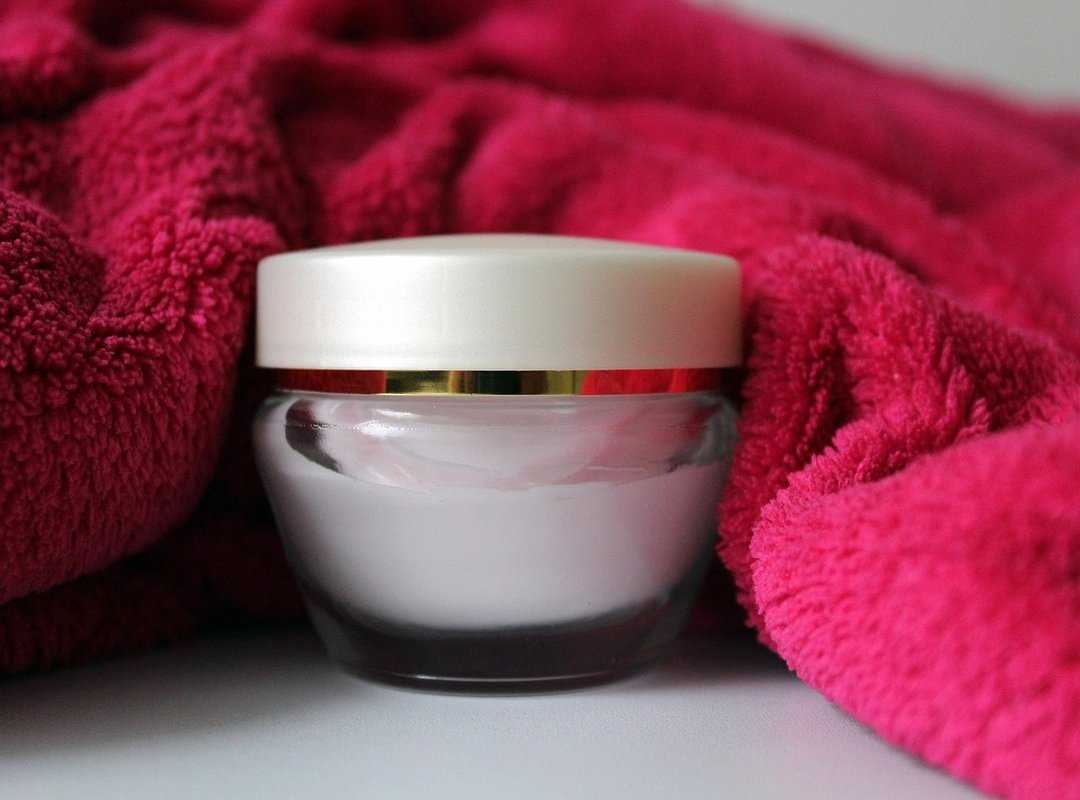
We all know the TSA 3-1-1 rule for liquids, right? It’s 3.4 ounces per container, in a single quart-sized clear bag, and just one bag per passenger. Non-negotiable.
But here’s the thing: you don’t have to be a victim of this rule.
Solid toiletries are your secret weapon. Shampoo and conditioner bars, solid perfume, and toothpaste tablets are game-changers. They don’t count toward the liquid limit and won’t leak all over your stuff.
Plus, they’re often more eco-friendly (a win for everyone).
Need some liquids? Avoid those overpriced travel-size products. Instead, get some high-quality, reusable silicone bottles.
Fill them with your favorite products from home. They’re less likely to leak, and you save money in the long run.
Pro tip: to prevent leaks, unscrew the cap, place a small piece of plastic wrap over the opening, then screw the cap back on. It’s a simple trick that works wonders.
If you want more carry-on packing tips, check out the best carry on packing tips expert guide. It’s packed with takeaways from the pros. Why reinvent the wheel when someone else has already figured it out?
Remember, packing smart is about making choices that work for you. So next time you’re getting ready to fly, think solids.
Pack Like a Pro: In-Flight Essentials
Packing a carry-on efficiently is an art. You need to think in reverse. Put the stuff you’ll need last, like clothes for your arrival, at the bottom.
It’s simple yet brilliant. Then, stack your clear toiletry bag and large electronics like a laptop on top for breezy security checks.
Trust me, you don’t want to be that person holding up the line.
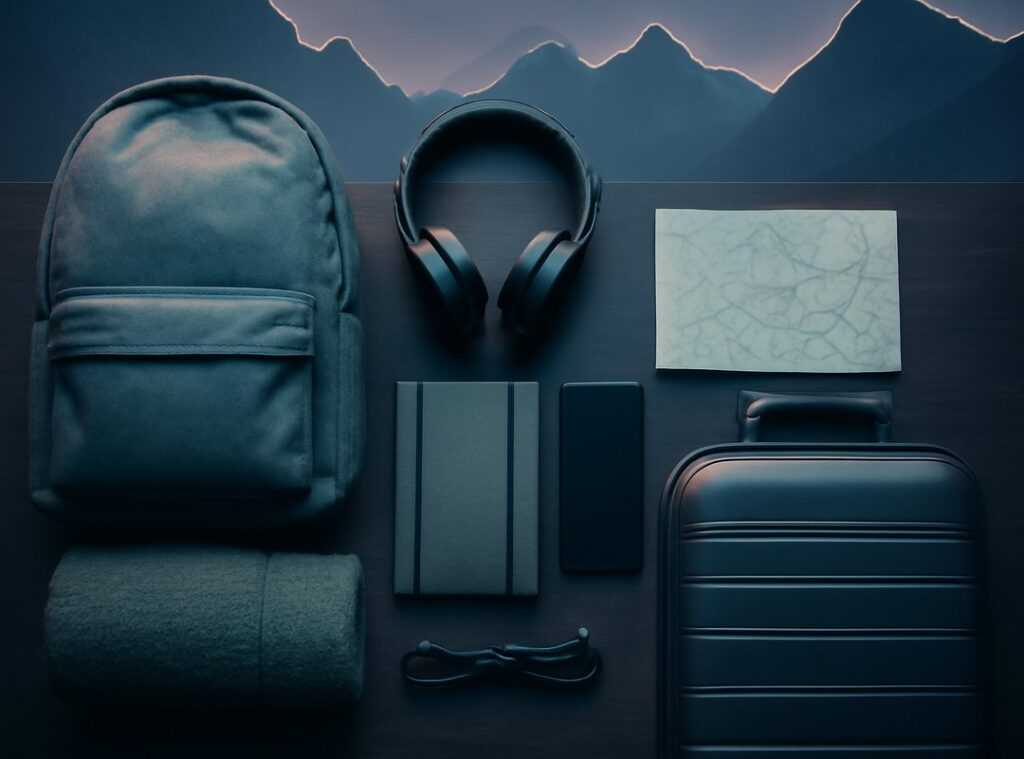
Now, here’s my pro tip: create an “in-flight essentials” pouch. This isn’t just a hack; it’s a necessity. Include noise-canceling headphones, a portable power bank, lip balm, meds, a pen for customs forms, and an empty reusable water bottle.
Stash it in an outer pocket for easy access.
These carry-on packing tips will save you time and sanity.
Pack Light, Travel Free
Travel isn’t about lugging around a heavy bag. It’s about the adventure. The stress of packing, worrying about overage fees, and struggling with too much stuff is real.
But it doesn’t need to be your reality. With a solid system combining purpose and smart techniques, you gain control. Take these carry-on packing tips to heart.
You can pack light and feel confident, no matter where you’re headed. Ready to ditch the stress? Build your packing list today.
Trust me, reclaiming your travel freedom starts now. Experience the joy of traveling light. You’re in control.
Start your journey.
 Yukohaman Powell writes the kind of cultural trekking insights content that people actually send to each other. Not because it's flashy or controversial, but because it's the sort of thing where you read it and immediately think of three people who need to see it. Yukohaman has a talent for identifying the questions that a lot of people have but haven't quite figured out how to articulate yet — and then answering them properly.
They covers a lot of ground: Cultural Trekking Insights, Destination Plans and Discoveries, Hidden Gems, and plenty of adjacent territory that doesn't always get treated with the same seriousness. The consistency across all of it is a certain kind of respect for the reader. Yukohaman doesn't assume people are stupid, and they doesn't assume they know everything either. They writes for someone who is genuinely trying to figure something out — because that's usually who's actually reading. That assumption shapes everything from how they structures an explanation to how much background they includes before getting to the point.
Beyond the practical stuff, there's something in Yukohaman's writing that reflects a real investment in the subject — not performed enthusiasm, but the kind of sustained interest that produces insight over time. They has been paying attention to cultural trekking insights long enough that they notices things a more casual observer would miss. That depth shows up in the work in ways that are hard to fake.
Yukohaman Powell writes the kind of cultural trekking insights content that people actually send to each other. Not because it's flashy or controversial, but because it's the sort of thing where you read it and immediately think of three people who need to see it. Yukohaman has a talent for identifying the questions that a lot of people have but haven't quite figured out how to articulate yet — and then answering them properly.
They covers a lot of ground: Cultural Trekking Insights, Destination Plans and Discoveries, Hidden Gems, and plenty of adjacent territory that doesn't always get treated with the same seriousness. The consistency across all of it is a certain kind of respect for the reader. Yukohaman doesn't assume people are stupid, and they doesn't assume they know everything either. They writes for someone who is genuinely trying to figure something out — because that's usually who's actually reading. That assumption shapes everything from how they structures an explanation to how much background they includes before getting to the point.
Beyond the practical stuff, there's something in Yukohaman's writing that reflects a real investment in the subject — not performed enthusiasm, but the kind of sustained interest that produces insight over time. They has been paying attention to cultural trekking insights long enough that they notices things a more casual observer would miss. That depth shows up in the work in ways that are hard to fake.