Planning a desert adventure sounds romantic—golden dunes, endless horizons, and star-filled skies—but the reality can be unforgiving without the right preparation. If you’re searching for clear, practical guidance on desert travel planning, you’re likely looking for more than inspiration. You want to know what to pack, how to stay safe, when to go, and how to experience desert landscapes without costly or dangerous mistakes.
This guide is designed to give you exactly that: actionable strategies, smart packing tips, cultural insights, and route-planning advice tailored specifically to desert environments. From managing extreme temperatures to navigating remote terrain and respecting local traditions, we cover the essentials that turn a risky trip into a rewarding journey.
Our recommendations are built on extensive travel research, real-world trekking insights, and proven on-the-ground strategies used by seasoned desert explorers. By the end of this article, you’ll have a clear, confident plan for exploring the desert safely and meaningfully.
Deserts lure wanderers with vast skies, stark horizons, and cathedral-like silence. Yet that same openness amplifies risk: dehydration, heatstroke, navigation errors. Many guides repeat basics; few explain how microclimates, salt flats, and shifting dunes alter your pacing and water math. This blueprint closes those gaps. You’ll learn packing ratios, electrolyte timing, satellite waypoint layering, and activity windows aligned with solar load. We detail field-tested desert travel planning frameworks, plus contingency drills competitors overlook. Expect checklists, risk triggers, and terrain-specific tactics so you can thrive, not merely survive, in extreme arid landscapes. Preparation turns silence into sanctuary. Plan smart, wander wiser.
The Core Survival Kit: Health and Hydration
Let’s start with the golden rule everyone quotes—and somehow still ignores: one gallon of water per person, per day. That’s the minimum in extreme heat (National Park Service). And no, “I’m not thirsty” doesn’t mean you’re hydrated. Thirst is a late warning sign. Hydration means maintaining enough fluids and electrolytes for your body to regulate temperature, circulate blood, and think clearly. If you’re already parched, you’re already behind (and headaches in the desert are brutal).
However, water alone isn’t enough. When you sweat, you lose electrolytes—minerals like sodium and potassium that regulate muscle and nerve function. Skip them, and you risk hyponatremia, a dangerous sodium imbalance (CDC). Pack electrolyte powders or tablets like Liquid I.V., Nuun, or LMNT. Add one serving to water every few hours during peak heat. Pro tip: alternate plain water and electrolyte mixes to avoid overcorrecting.
Next, sun protection. A baseball cap shades your forehead; a wide-brimmed hat protects ears and neck (huge difference). Choose UPF-rated clothing—that’s Ultraviolet Protection Factor, meaning fabric blocks harmful UV radiation. And polarized sunglasses? Non-negotiable. They reduce glare and protect against long-term retinal damage (American Academy of Ophthalmology). Squinting through a sandstorm isn’t a vibe.
Finally, build an arid-specific first-aid kit. Bring heavy-duty blister pads (cheap socks fail fast), tweezers for cactus spines, oral rehydration salts (ORS), and antiseptic wipes.
Desert travel planning isn’t glamorous when you’re sweating through your third shirt—but smart prep beats misery every time.
Strategic Packing: Clothing and Gear for Extreme Swings
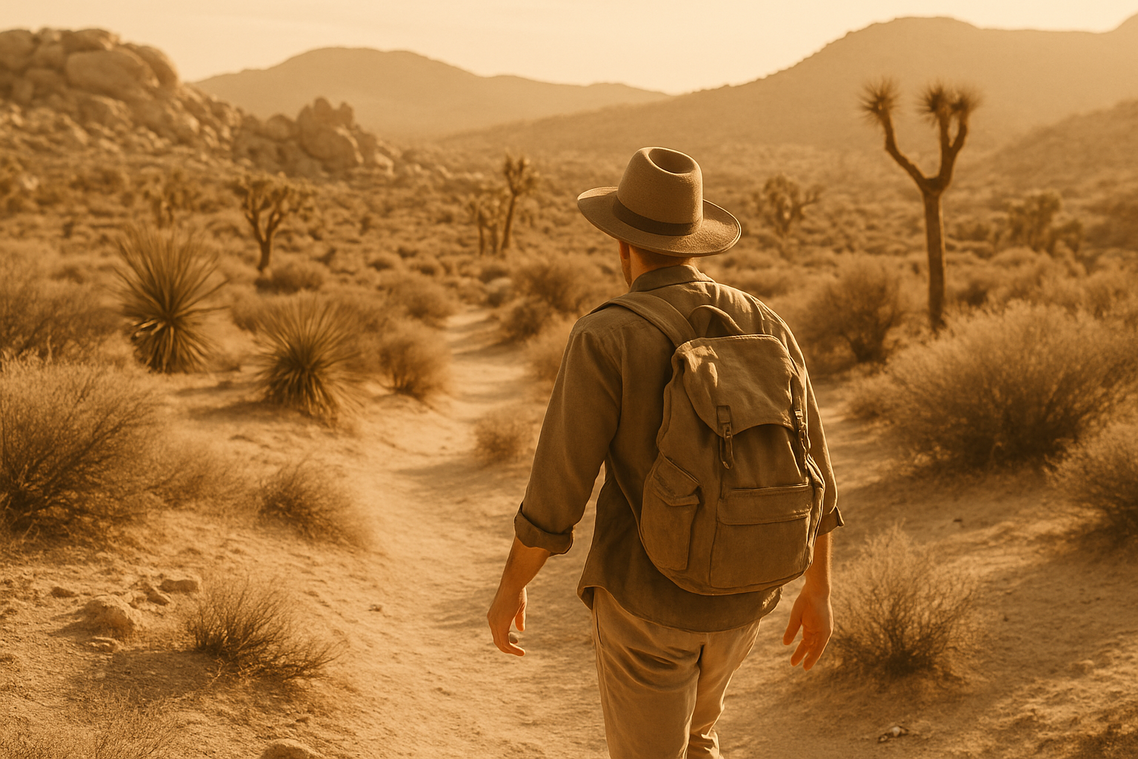
If you’ve ever packed for the desert thinking, “It’s hot, I’ll just bring light clothes,” you’ve probably regretted it by midnight. Extreme swings are brutal. One minute you’re sweating through your shirt, the next you’re shivering and questioning your life choices.
The Layering System Explained
The solution is the three-layer system:
- Base layer: Moisture-wicking fabric that pulls sweat off your skin (this is called moisture management). Think merino wool or synthetic blends.
- Mid layer: Insulation to trap body heat when temperatures drop—fleece or lightweight down works well.
- Outer layer: A windproof, breathable shell to block cold desert gusts.
Skipping layers is one of the biggest packing mistakes in desert travel planning. (Yes, even if the forecast says “clear and sunny.”)
Why Cotton is the Enemy
Cotton absorbs moisture and dries painfully slowly. During the day, that means sweat-soaked fabric rubbing your skin raw. At night, that damp cotton steals heat from your body—a fast track to hypothermia. Wool and synthetics, on the other hand, insulate even when damp and dry quickly. Pro tip: pack an extra base layer so you’re never forced into wearing yesterday’s sweat.
Footwear First
Blisters can ruin a trek faster than bad weather. Choose breathable, high-ankled hiking boots for stability and sand protection. Pair them with wool or synthetic socks—never cotton. Friction plus trapped moisture equals misery.
Essential Tech and Tools
Don’t let dead batteries or lost trails derail you:
- Reliable headlamp (with extra batteries)
- Portable power bank
- Offline maps downloaded before losing service
Planning more dynamic routes? Explore island hopping travel plans for first time explorers for adaptable packing strategies.
Intelligent Itineraries: How to Plan Your Time and Route
Start with an anecdote about pushing too hard at noon: I once began a canyon hike at midday, confident I’d “power through.” By mile three, the sun felt personal, and my energy evaporated. Since then, I respect the sun’s schedule. Plan strenuous efforts for early morning or late afternoon; reserve midday for shade, slow lunches, and reflection. It’s simple thermoregulation—your body’s ability to maintain core temperature—and it can make or break a trip.
However, timing is only half the equation. During desert travel planning, I learned that a smartphone GPS isn’t enough. Batteries die; signals vanish. Carry a physical map and a compass—fail-safe backups—and know how to triangulate, meaning pinpointing your position using landmarks. Pro tip: practice at a local park before you need it.
Finally, if you’re driving, treat your vehicle like a teammate. Check tire pressure—including the spare—pack extra water for the vehicle, and share your detailed route and return time with someone you trust. At first, I thought that sounded dramatic. Then a washed-out road proved otherwise. Intelligent itineraries aren’t restrictive; instead, they’re liberating, giving you room to explore safely and confidently. Plan well, wander far, return wiser.
Treading lightly in the desert starts with understanding fragility. First, follow Leave No Trace principles: stay on marked trails to avoid crushing cryptobiotic soil, a living crust of mosses and microbes that prevents erosion (it may look like dirt, but it’s alive). Next, pack out every scrap of trash, including food peels and tissues. For example, keep a resealable bag in your daypack solely for waste. Meanwhile, treat water as a shared resource. Take short showers, turn off taps while brushing, and refill bottles at designated stations. Pro tip: track your daily usage during desert travel planning to spot waste early. Finally, research local customs before entering villages or indigenous lands. Learn basic greetings, observe dress norms, and ask before photographing people or homes. In many regions, modest clothing and a simple hello build trust quickly. Small steps, taken consistently, protect both landscapes and relationships. Respect earns lasting access.
Yes, arid journeys test you—heat, distance, and silence can feel daunting. Yet with smart desert travel planning, thoughtful packing, and health safeguards, the challenge becomes manageable. Think Lawrence of Arabia, but with sunscreen and GPS. So now, take a breath, map your route, and start planning your next vast adventure.
Your Next Step Toward Smarter Desert Adventures
You came here looking for clarity on desert travel planning—how to prepare smarter, pack lighter, and move through extreme landscapes with confidence. Now you understand the terrain challenges, cultural considerations, packing essentials, and practical strategies that turn uncertainty into control.
Desert environments are unforgiving. Poor preparation leads to exhaustion, wasted time, and unnecessary risk. The difference between a stressful trip and a transformative journey comes down to informed planning and the right guidance.
Now it’s time to act.
Apply what you’ve learned. Map your route carefully. Refine your gear list. Double-check water logistics. Then take the next step by exploring our proven travel frameworks, curated packing checklists, and destination-tested insights designed specifically for desert explorers.
Travelers trust us because our strategies are built around real-world experience, practical efficiency, and cultural awareness—not guesswork. If you want fewer surprises and more meaningful adventure, start implementing these desert travel strategies today.
Your journey doesn’t begin when you arrive—it begins with how well you prepare. Take action now and plan your next desert experience with confidence.