If you’re searching for lesser known UNESCO sites that offer breathtaking history, fewer crowds, and deeper cultural immersion, you’re in the right place. Most travelers know the headline landmarks—but beyond them lies a world of extraordinary heritage sites that remain surprisingly under the radar.
This guide is designed to help you discover remarkable destinations that combine global significance with authentic, on-the-ground experiences. Whether you’re planning a cultural trek, mapping out a destination-focused itinerary, or looking for meaningful additions to your travel bucket list, you’ll find carefully selected insights to guide your journey.
Our recommendations are built on extensive destination research, cross-referenced UNESCO data, traveler reports, and regional cultural studies to ensure accuracy and relevance. The goal is simple: to give you reliable, practical inspiration so you can explore beyond the obvious—and experience world heritage in a way that feels personal, informed, and unforgettable.
Skip the Colosseum queues and picture this instead: strolling through the rock-hewn churches of Lalibela or tracing caravan routes in the Ancient Ksour of Ouadane, Chinguetti, Tichitt and Oualata. Iconic sites deliver bragging rights; lesser-known UNESCO treasures deliver breathing room. While Machu Picchu dazzles, the Historic Town of Zabid offers layered Islamic scholarship without selfie sticks. Meanwhile, the Decorated Farmhouses of Hälsingland reveal everyday artistry versus Versailles-level spectacle. Critics argue famous landmarks are famous for a reason—access, preservation, infrastructure. Fair. Yet comparison shows intimacy beats scale when connection matters. Pro tip: travel shoulder season for deeper conversations and softer light.
Echoes of Giants: The Prehistoric Megalithic Temples of Malta
Long before Stonehenge or the pyramids rose from desert sands, Malta’s Ġgantija, Ħaġar Qim, and Mnajdra were already standing. Built over 5,500 years ago, these megalithic (large stone) temples are among the oldest freestanding structures on Earth, recognized as a UNESCO World Heritage Site. Walking among them feels less like sightseeing and more like stepping into a forgotten chapter of human ambition.
Some travelers argue they’re just “piles of rocks” compared to Egypt’s grandeur. It’s true Malta’s temples lack towering facades. But that understatement is their power. Without crowds pressing in, you can actually hear the wind move between the stones (and your own thoughts, which is rarer than you’d think). It’s ancient history without the theme-park effect—more 2001: A Space Odyssey than postcard cliché.
Expect:
- Massive limestone blocks, some weighing over 20 tons
- Precise astronomical alignments at Mnajdra during solstices
- Quiet pathways that let the scale sink in
Pro tip: Base yourself in Valletta and use the efficient bus system. A heritage pass saves money, and a local guide can decode the temples’ celestial geometry. Sometimes, the quieter wonders leave the loudest echoes.
Journey to Beginnings: The Lenggong Valley’s Human Story in Malaysia
At first glance, Lenggong Valley doesn’t look like a place that rewrites history. It’s quiet, green, and rural. Yet beneath its soil lies nearly two million years of human story—making it one of the most remarkable archaeological landscapes in Southeast Asia.
So what makes it worth the journey? For starters, this isn’t a single temple or monument. It’s an open-air timeline. You’ll find Paleolithic stone tools, ancient workshop sites, and the discovery location of the “Perak Man,” Southeast Asia’s oldest and most complete human skeleton (dated to around 11,000 years ago, according to Malaysia’s Department of National Heritage).
Unlike headline-grabbing heritage spots, Lenggong is one of those lesser known UNESCO sites where context matters more than spectacle. That means preparation helps. Start at the Lenggong Archaeological Museum before exploring nearby caves and excavation areas—otherwise, you’re just looking at rocks (and missing the plot).
The drive itself winds through kampungs and palm groves, offering a glimpse of rural Malaysia that feels worlds away from Kuala Lumpur. If you’re already exploring charming small cities with big cultural impact, this valley fits naturally into your route.
Some travelers prefer dramatic skylines or theme-park energy. Fair enough. But if you value stories carved in stone—and patience over flash—Lenggong quietly delivers.
Baroque in the Bolivian Amazon: The Jesuit Missions of the Chiquitos
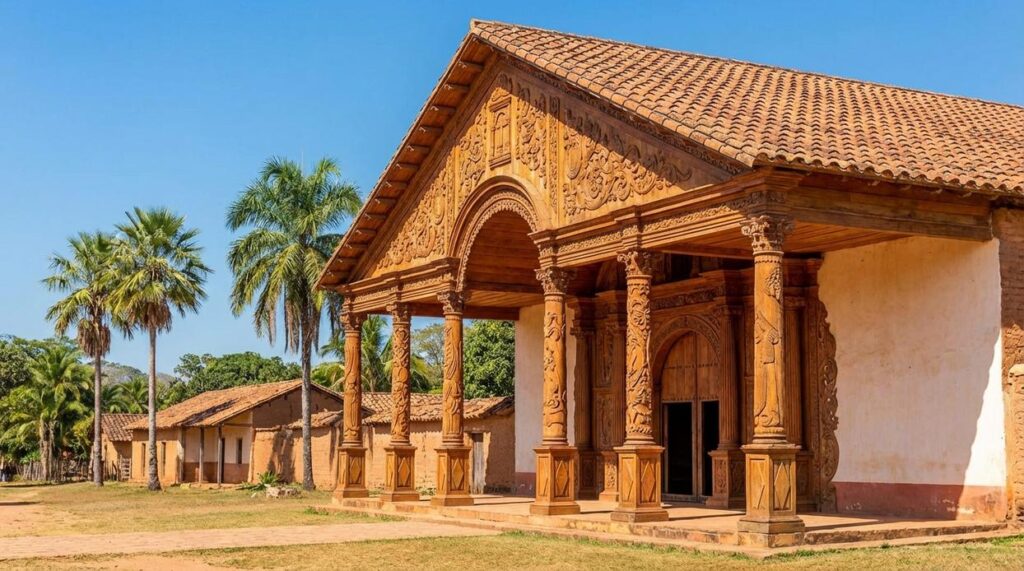
I still remember the first time I saw the church in San Javier rise out of the dust—carved wood glowing gold in the late-afternoon sun, as if someone had misplaced a slice of Europe in the Bolivian lowlands. Yet this isn’t Europe. It’s a living fusion of European Baroque (a 17th–18th century style known for dramatic detail and ornamentation) and Chiquitano craftsmanship, where saints wear indigenous features and columns are hewn from local timber.
At first, I wondered if the long drive from Santa Cruz was worth it. Some travelers argue these missions are too remote, too rustic, lacking the grandeur of Rome or Seville. But that’s precisely the point. Unlike museum-piece cathedrals, these churches breathe. Children rehearse violins for the International Festival of American Renaissance and Baroque Music, and elders sweep the plazas at dusk (life doesn’t pause for heritage status).
Traveling the Jesuit Mission Circuit feels like discovering one of the Lesser known UNESCO sites before the crowds do. Rent a 4×4—roads can turn slick after rain—and plan several days. In return, you’ll find not relics, but rhythm, resilience, and a road trip that lingers long after the dust settles.
The Silent Walls of Loropéni: A West African Mystery
There’s something profoundly humbling about standing before the stone walls of Loropéni. They don’t explain themselves. They don’t need to. Rising from the earth of southern Burkina Faso, these 1,000-year-old laterite fortifications once guarded the arteries of the trans-Saharan gold trade—yet their builders and their final days remain uncertain (and that mystery is part of the magic).
Some travelers argue that without detailed placards or reconstructed models, a site feels incomplete. I disagree. The sparse setting forces you to imagine the caravans, the negotiations, the empires that flourished here. With walls reaching six meters high, Loropéni feels less like a ruin and more like a silent witness.
Unlike more polished heritage destinations, this is raw exploration:
- Minimal infrastructure
- Vast, open surroundings
- A rare absence of crowds
That solitude creates connection. It’s the kind of place that reminds me why I seek out Lesser known UNESCO sites in the first place—history feels closer when it isn’t packaged.
If you crave spectacle, you might leave puzzled. But if you value atmosphere over amenities, Loropéni delivers something rarer: space to reflect, question, and stand quietly inside a story that refuses to fully reveal itself.
Your next chapter begins where the tour buses stop. Authentic travel means trading souvenir stalls for stories whispered by stone and sea. At Ħal Saflieni Hypogeum, you descend into a 5,000-year-old subterranean temple complex—cool, quiet, and astonishingly intact—where limited daily entries protect the site and your sense of wonder.
Consider what you gain:
- Fewer crowds, deeper conversations
- Slower itineraries, richer memories
- Local guides who share living traditions
Skeptics say remote equals inconvenient. Sometimes, yes. But shorter lines, lower noise, and meaningful access repay the effort (and your patience). Plan boldly, pack lightly, follow curiosity with intention and respect always.
Keep Exploring Beyond the Obvious
You set out to discover meaningful travel experiences beyond overcrowded landmarks—and now you have the inspiration and practical insights to do exactly that. From smart packing strategies to immersive cultural trekking ideas, you’re better prepared to explore the world with purpose instead of pressure.
The real challenge isn’t finding places to visit. It’s avoiding the same overdone itineraries and missing the magic hiding in lesser known UNESCO sites and under-the-radar destinations. When you travel intentionally, you trade long lines and surface-level sightseeing for authentic stories, deeper connections, and unforgettable memories.
Now it’s your move. Start mapping out a journey that prioritizes culture, curiosity, and smart planning. Use these hacks, refine your packing list, and choose destinations that truly excite you.
If you’re ready to skip the tourist traps and experience travel the way seasoned wanderers do, explore more curated guides and destination insights today. Your next extraordinary adventure is waiting—start planning it now.