
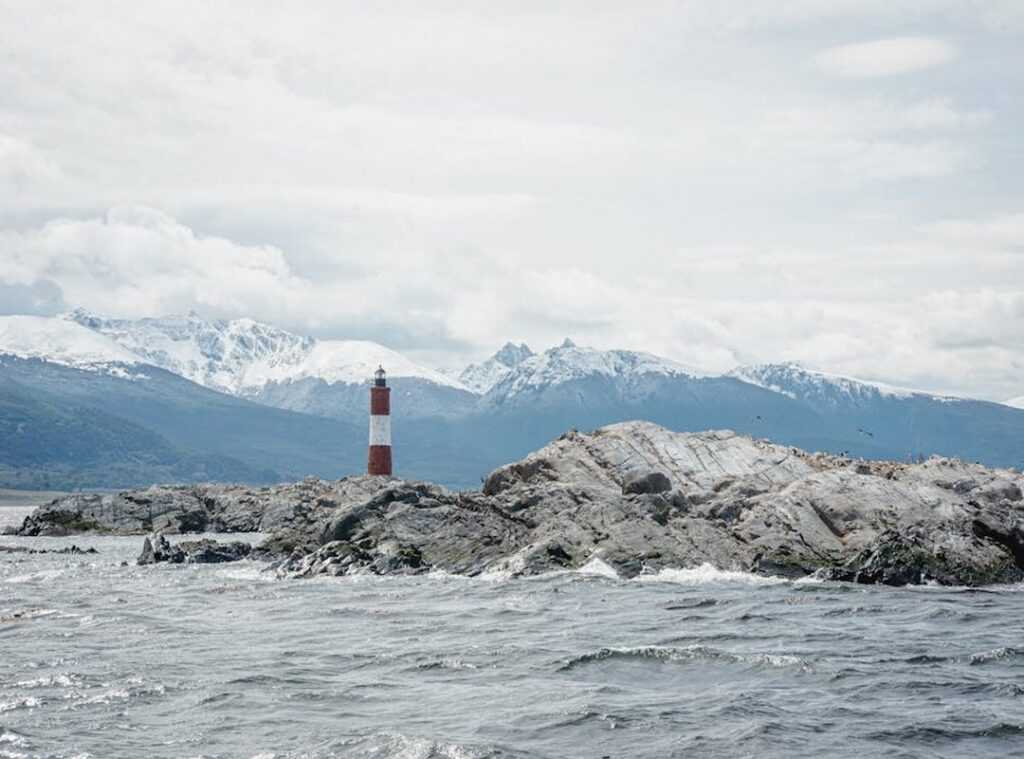
Ever felt like planning a trip to Patagonia is like trying to read a novel in a language you barely understand? It’s a dream destination, sure, but the flood of info out there is overwhelming. So, what do you trust?
This Patagonia travel guide is your answer. I’ve spent countless hours on those trails, chatting with locals, and yes, making those silly mistakes you won’t have to. You want practical advice, not another list of top ten things.
This guide is it.
You’ll get the real deal (no) fluff, no nonsense. By the end, you’ll have more than just a list of places. You’ll have a plan, a blueprint for an adventure that’s yours.
Ready to cut through the noise and get the most out of Patagonia? Let’s do it.
Patagonia Unpacked: Timing & Launch Points
to the seasons first. Decoding the seasons is key. Summer in Patagonia (Dec-Feb) means warm days and clear views.
But you’ll be elbow-to-elbow with crowds. I mean, you can’t have it all, right? Now, shoulder seasons (Oct-Nov & Mar-Apr) are my sweet spot.
Fewer tourists, cheaper rates, and stunning colors (those reds and golds of autumn are unbeatable). Winter (May-Sep) is for the bold. It’s quiet, cheaper, but chilling.
Here’s a little something for clarity:
| Season | Pros | Cons |
|---|---|---|
| Summer | Best weather | Biggest crowds |
| Shoulder | Fewer people, lower prices | Unpredictable weather |
| Winter | Quiet, cheapest | Cold, limited access |
Now, choosing your base: Chile vs. Argentina. Chile’s Torres del Paine is your classic rugged wilderness.
Think granite spires and glacial lakes. Argentina’s El Chaltén, though, is all about chill vibes and epic day hikes. Like comparing a blockbuster to a cozy indie film.
For first-timers, I say start in one and cross over. Want the greatest hits? Jump between.
But if you’re short on time, pick based on your passion. Love long treks? Chile.
Prefer exploring from a town base? Argentina’s your place.
And hey, if you’re curious about other destinations, you might want to discover hidden side of Lisbon. It’s a different adventure entirely.
Choosing Your Adventure: Iconic Hikes & Off-the-Grid Alternatives
When you’re diving into a Patagonia travel guide, it’s easy to get caught up in the glitz of the famous trails. Who hasn’t heard of the “W” Trek in Torres del Paine or the Fitz Roy/Cerro Torre trails in El Chaltén? They’re practically the rock stars of hiking.
Stunning views, iconic peaks, and yes, the bragging rights. But let’s get real. You’re not the only one who thinks they’re incredible.
These trails can get crowded, and booking ahead is a must. If you’re a planner, this might be right up your alley. But what if you’re not?
Now, let’s talk alternatives. Because sometimes the road less traveled is the one worth taking. Ever heard of the Cerro Castillo Circuit in Chile?
It’s being dubbed the “next Torres del Paine.” It offers hanging glaciers and pristine forests without the swarms of people. Perfect for experienced trekkers who crave solitude and a challenge. Or how about exploring the Aysén region?
It’s wilder and more remote, offering a true sense of discovery. You won’t find the same crowds here, just raw, untouched beauty. If you’re looking for something special, this might be your gig.
You might be wondering: are these alternatives really worth it? The answer is a resounding yes if you’re after something unique. These trails aren’t just about the views (though they’re spectacular).
They’re about the experience. The kind you can’t get from a packed trail where you’re elbow to elbow with other hikers. So, if you want to feel like an explorer, consider these options.
One thing to keep in mind: Day hikes versus multi-day treks. Day hikes are great if you’re short on time or just want a taste of the adventure. Multi-day treks, on the other hand, offer a deeper dive into the space.
They require more commitment but reward you with a richer experience. Ask yourself what you want out of this journey, and choose accordingly.
For more takeaways, check out these patagonia travel tips. They offer a wealth of advice on making the most of your trip. So, are you ready to go beyond the ordinary and carve out your own path?
Gear Up: No-Nonsense Patagonia Packing List
Packing for Patagonia is like trying to predict the weather when the forecast says sunny but you just know it’ll rain. Four seasons in one day? Absolutely.

That’s the core problem this packing list solves.
You need non-negotiable layers. Start with a Merino wool base layer. It wicks sweat when you’re hiking hard and keeps you warm when you stop, preventing chills.
Then add a mid-layer fleece for warmth. Top it off with a waterproof shell to fend off those unpredictable showers.
Next, footwear. You’ll want sturdy hiking boots. Trust me, your feet will thank you when you’re scrambling over rocks.
Forget the sneakers (they won’t cut it).
Don’t skip the important accessories. A warm hat and gloves can make a world of difference when the wind picks up. Sunglasses are a must too, especially with that glaring sun.
Leave these at home: cotton clothes (they get damp and heavy), too many ‘city’ outfits (you won’t need them), and that bulky camera (your phone will do just fine).
Pro tip: Consider renting gear in towns like Puerto Natales or El Chaltén. Renting can save you space and cash.
Oh, and speaking of traveling, if you’re planning to head to Italy after your Patagonia adventure, don’t miss a Foodies Journey Italy Countryside to savor the local flavors.
This is your ultimate Patagonia travel guide: pack smart, stay comfy, and be ready for anything. That’s how you conquer those wild trails.
Travel Smarter: Local Culture, Logistics & Money-Saving Hacks
When you’re reading a Patagonia travel guide, do you ever wonder about diving deep into the local culture? Here’s a nugget: the gaucho heritage is alive and kicking. These cowboys are part of the cultural fabric, and sipping mate is like an unofficial rite of passage.
Trust me, it’s more than just a drink; it’s a bond. And hey, a few Spanish phrases (like “por favor” and “gracias”) can take you far. Respect goes a long way.
Now, let’s talk getting around. Buses are your best friend here. They’re not just comfortable, they’re also super reliable.
Flights might save time, but if you crave the freedom of the open road, renting a car is your ticket. Just watch out for the costs and those sneaky gravel roads that appear out of nowhere.
Okay, let’s save some cash. Who doesn’t want that, right? Here are some hacks that are worth their weight in gold:
- Cook your own meals; hostels usually have kitchens for a reason!
- Stay in ‘refugios’ or camp. It’s not just cheaper but often more fun.
Got more questions? Probably. Like, how much can you really save by cooking your own meals?
Loads, I promise. And when it comes to accommodation, ‘refugios’ are more than just a cheap stay; they’re an experience. Cash in hand?
That’s just smart travel. Keep these in mind, and you’ll find your adventure even more rewarding.
Plan Your Patagonia Escape Now
Planning a trip to Patagonia can feel like untangling a mess of details, right? It’s overwhelming. But now, with this Patagonia travel guide, you’ve got all you need.
The when, where, what, and how are crystal clear.
The confusion stops here.
You’ve dreamed long enough. It’s time to turn those plans into reality. Imagine standing at the edge of those majestic mountains.
Don’t just dream it. Do it.
Stop scrolling. Start planning. Use these takeaways to create your ultimate itinerary today.
The mountains are calling, and they won’t wait forever.
Get moving. Your adventure awaits.
 Chunanirala Johnson writes the kind of cultural trekking insights content that people actually send to each other. Not because it's flashy or controversial, but because it's the sort of thing where you read it and immediately think of three people who need to see it. Chunanirala has a talent for identifying the questions that a lot of people have but haven't quite figured out how to articulate yet — and then answering them properly.
They covers a lot of ground: Cultural Trekking Insights, Destination Plans and Discoveries, Hidden Gems, and plenty of adjacent territory that doesn't always get treated with the same seriousness. The consistency across all of it is a certain kind of respect for the reader. Chunanirala doesn't assume people are stupid, and they doesn't assume they know everything either. They writes for someone who is genuinely trying to figure something out — because that's usually who's actually reading. That assumption shapes everything from how they structures an explanation to how much background they includes before getting to the point.
Beyond the practical stuff, there's something in Chunanirala's writing that reflects a real investment in the subject — not performed enthusiasm, but the kind of sustained interest that produces insight over time. They has been paying attention to cultural trekking insights long enough that they notices things a more casual observer would miss. That depth shows up in the work in ways that are hard to fake.
Chunanirala Johnson writes the kind of cultural trekking insights content that people actually send to each other. Not because it's flashy or controversial, but because it's the sort of thing where you read it and immediately think of three people who need to see it. Chunanirala has a talent for identifying the questions that a lot of people have but haven't quite figured out how to articulate yet — and then answering them properly.
They covers a lot of ground: Cultural Trekking Insights, Destination Plans and Discoveries, Hidden Gems, and plenty of adjacent territory that doesn't always get treated with the same seriousness. The consistency across all of it is a certain kind of respect for the reader. Chunanirala doesn't assume people are stupid, and they doesn't assume they know everything either. They writes for someone who is genuinely trying to figure something out — because that's usually who's actually reading. That assumption shapes everything from how they structures an explanation to how much background they includes before getting to the point.
Beyond the practical stuff, there's something in Chunanirala's writing that reflects a real investment in the subject — not performed enthusiasm, but the kind of sustained interest that produces insight over time. They has been paying attention to cultural trekking insights long enough that they notices things a more casual observer would miss. That depth shows up in the work in ways that are hard to fake.