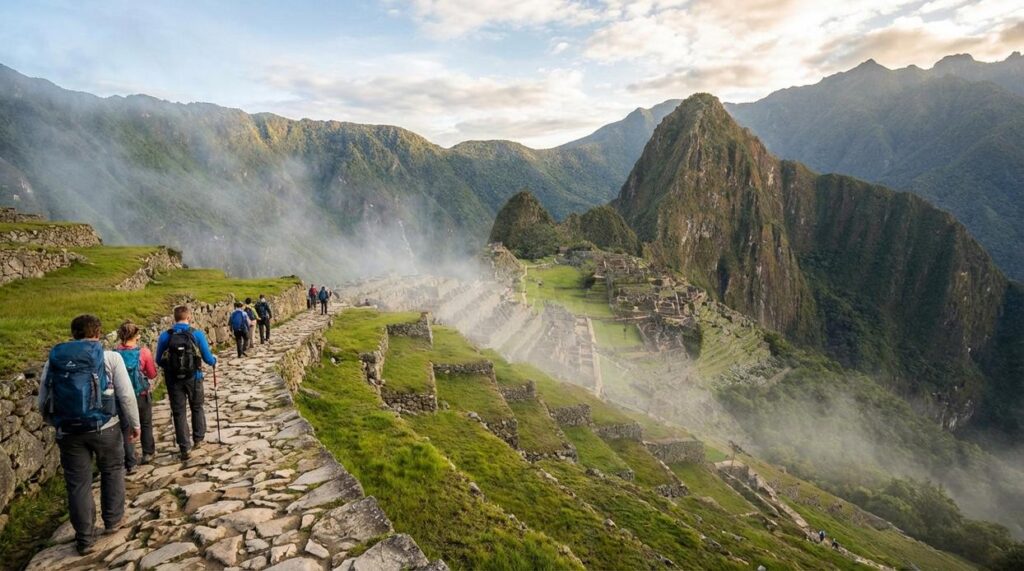
Planning a journey that goes beyond sightseeing? If you’re searching for meaningful travel experiences, practical trekking guidance, and cultural depth in one place, this guide is designed for you. From immersive destination plans to smart packing strategies, we break down how to explore the world with intention—whether you’re navigating remote mountain paths, vibrant city corridors, or sacred pilgrimage trails rich with history and spiritual significance.
Travel today isn’t just about where to go—it’s about how to go well. Many travelers struggle to balance logistics, cultural respect, and authentic exploration. This article simplifies that process with curated wanderer highlights, actionable travel hacks, and insights drawn from extensive route research and on-the-ground trekking knowledge.
You’ll find clear, experience-backed recommendations to help you move confidently, pack efficiently, and connect meaningfully with each destination. If your goal is purposeful, well-prepared adventure, you’re in the right place.
Some paths are more than dirt and stone—they are living archives of belief. Ancient pilgrimage (a journey undertaken for spiritual devotion) routes were carved by centuries of hope, grief, and gratitude. In our swipe-and-scroll era, travelers crave meaning beyond selfies. Walking sacred pilgrimage trails offers immersion in ritual, story, and landscape.
Skeptics argue modern tourism is easier and more inclusive. Fair. Yet convenience rarely transforms us. Research from UNESCO notes pilgrimage routes preserve cultural identity and community memory.
Prediction: As digital fatigue grows, interest in slow, reflective travel will rise. Expect renewed stewardship and tech-free trekking movements. Worldwide interest expands.
The Way of St. James: The Camino de Santiago, Spain
The Camino de Santiago—often called one of Europe’s most sacred pilgrimage trails—traces its roots to the 9th century, when the remains of St. James the Apostle were believed to have been discovered in Santiago de Compostela. By the 12th century, the Codex Calixtinus functioned as a medieval guidebook, proving that organized pilgrimage routes existed nearly 900 years ago (UNESCO recognizes several Camino routes as World Heritage Sites). Medieval pilgrims walked for penance or salvation. Today, many still do—but that’s only part of the story.
According to the Pilgrim’s Office in Santiago, over 446,000 pilgrims completed the Camino in 2023 alone. Not all cited religion as their motive. Modern walkers include:
- Devout Catholics seeking spiritual renewal
- Secular travelers craving reflection or reset
- Endurance enthusiasts chasing a long-distance challenge
The most popular route, the Camino Francés, stretches about 780 km from Saint-Jean-Pied-de-Port in France. It offers social energy and established infrastructure. In contrast, the Camino del Norte hugs Spain’s rugged northern coast (more hills, fewer crowds), while the Portuguese Camino provides a shorter, gentler approach from Lisbon or Porto.
Life on the trail revolves around albergues—budget pilgrim hostels fostering nightly camaraderie (think group dinners and blister comparisons). The scallop shell symbol, historically used as proof of completion, now guides pilgrims via yellow arrows along the path.
On-the-Go Tip: Pack light—ideally under 10% of your body weight. Merino wool layers regulate temperature and resist odor, and broken-in hiking boots prevent the kind of blisters that can end a journey early (and painfully).
Imperial Paths to Enlightenment: The Kumano Kodo, Japan
A Sacred Landscape
Nestled in the mist-laced Kii Mountains, the Kumano Kodo winds through towering cedar forests and moss-covered stone steps that feel suspended in time. For over 1,000 years, this network of sacred pilgrimage trails has embodied Japan’s Shinto-Buddhist syncretism—a blending of Shinto reverence for nature spirits (kami) and Buddhist concepts of rebirth and salvation. According to Japan’s Agency for Cultural Affairs, the routes were formally recognized as UNESCO World Heritage sites in 2004, underscoring their global spiritual significance. Here, the journey itself is worship (every footstep doubles as a prayer).
The Nakahechi Route
Among the routes, the Nakahechi is the most accessible and historically revered. From the 10th century onward, retired emperors and samurai undertook this mountainous passage as an act of purification. Stone markers and centuries-old Oji shrines—smaller subsidiary shrines along the way—offer tangible proof of this imperial devotion.
Spiritual Experience
The pilgrimage links the Kumano Sanzan: Hongu Taisha, Nachi Taisha, and Hayatama Taisha. Pilgrims traditionally stopped at Oji shrines to pray and rest, reinforcing the belief that enlightenment unfolds gradually. Even today, staying in family-run ryokan inns, sleeping on tatami mats, and soaking in an onsen (natural hot spring) creates a rhythm of reflection and renewal.
Destination Plan
A 5-day Nakahechi itinerary typically begins at Takijiri-oji, continues to Chikatsuyu and Yunomine Onsen, reaches Kumano Hongu Taisha, and culminates at Nachi Falls—Japan’s tallest waterfall at 133 meters. Notably, forest bathing studies published in Environmental Health and Preventive Medicine show measurable stress reduction after time in such environments.
For deeper context on cultural mindfulness, review respectful travel understanding indigenous etiquette.
Wanderer Highlight
Ultimately, the cedar groves, mountain mists, and cascading waterfalls are not just scenery—they are the sermon.
Journey to the Heavens: The Inca Trail to Machu Picchu, Peru
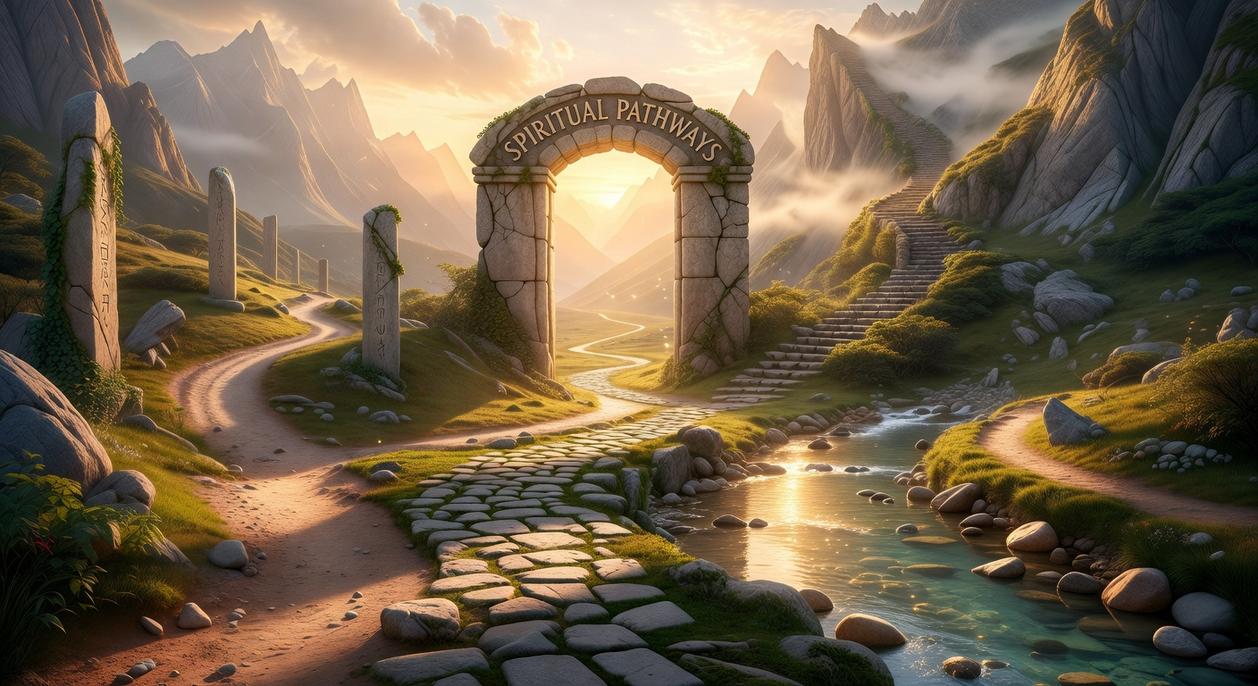
The Inca Trail isn’t just a hike—it’s an Andean pilgrimage carved into cloud forests and stone. Think less “bucket list trek” and more spiritual dress rehearsal for Machu Picchu. The Incas designed it as one of their sacred pilgrimage trails, preparing travelers physically and spiritually before entering the holy citadel.
The classic four-day route tests both lungs and patience (especially when permits sell out in minutes). Day two brings the notorious Dead Woman’s Pass—4,215 meters of thigh-burning humility. By day three, ruins like Wiñay Wayna emerge through mist, proving the Incas had better real estate instincts than most modern developers.
Understanding the worldview helps. The Inca honored Pachamama (Mother Earth) as a living deity. Mountains, or apus, were sacred guardians. The trail aligns with peaks and celestial events, blending astronomy with devotion—Stonehenge, but make it Andean.
Common frustration? You can’t trek independently. A licensed guide and porter team are mandatory. Some travelers grumble about the added cost. Fair. But trained guides protect fragile ecosystems and share cultural depth you’d otherwise miss.
Travel Hack:
- Book permits 6–8 months ahead.
- Train for stairs. Endless stairs.
Yes, it’s regulated. Yes, it’s demanding. But arriving at the Sun Gate at dawn? Worth every blister.
Preparing for a sacred journey demands PHYSICAL and MENTAL alignment. Training for long-distance walking isn’t optional; it’s A vs B: gradual mileage increases versus weekend overexertion. The first builds endurance, the second builds blisters (guess which lasts longer). Mentally, compare constant digital noise to intentional solitude; reflection requires practice, not just hope.
Packing with intention means essentials over excess—multi-use layers versus “just in case” clutter. On sacred pilgrimage trails, lighter bags equal freer minds.
Logistics matter:
- Check visas
- Secure travel insurance
- Download offline maps
- Share your itinerary
Preparation turns uncertainty into purposeful, grounded movement and resilience.
The First Step on Your Own Sacred Path
Ultimately, historic routes offer more than scenery—they create space to connect with history, culture, and yourself. In a world driven by curated feeds, many travelers now crave experiences that nourish the soul, not just the algorithm. That’s where sacred pilgrimage trails stand apart.
So, where do you begin? First, choose a route that aligns with your interests—coastal, mountainous, or village-to-village. Next, map out a realistic daily distance (10–15 miles is manageable for beginners). Then, test your gear on local weekend walks.
In other words, planning is the first step. Start researching today, and you’ve already begun.
Continue Your Journey With Confidence
You set out to find clarity, inspiration, and practical guidance for exploring sacred pilgrimage trails—and now you have the cultural insight, route ideas, and packing strategies to move forward with confidence. No more second-guessing where to go, what to bring, or how to prepare for the physical and spiritual demands of the journey.
Pilgrimage travel can feel overwhelming. The logistics, the terrain, the cultural nuances—it’s easy to worry about missing something important or being unprepared. But with the right plan and informed perspective, those concerns turn into excitement and purpose.
Now it’s time to act. Choose your destination, map your route, and start preparing with intention. Explore more curated trail guides, smart packing checklists, and cultural trekking insights to make your journey seamless from start to finish. Travelers trust our practical, experience-driven guidance to simplify complex routes and elevate meaningful travel.
Your path is waiting. Start planning today and take the first confident step toward a journey that truly transforms you.