
We’ve all been there—sitting on an overstuffed suitcase, wrestling with the zipper, wondering how it all fit on the way in. Packing shouldn’t feel like a full-body workout. The good news? You don’t have to simply “pack less” to make everything fit. After years of travel across dozens of countries—testing strategies on weekend getaways and month-long treks alike—these space saving packing methods have been refined to actually work in real-world conditions. In this guide, you’ll learn how to maximize every square inch of your luggage and finally eliminate packing stress for good.
The Foundation: It Starts Before You Ever Pack a Thing
Before you even think about folding a T-shirt, you need the right suitcase. I’ll say it plainly: your luggage choice can make or break your trip. Soft-shell suitcases (fabric-sided bags with flexible exteriors) are forgiving. They stretch, squeeze into overhead bins, and give you that “just one more sweater” wiggle room. The downside? Less protection. Hard-shell luggage (rigid, molded cases) shields fragile items better but refuses to flex when you overpack (and we all try).
Here’s how I approach it:
- Soft-shell for road trips or flexible packing.
- Hard-shell for flights with fragile souvenirs.
Next, packing cubes. Think of them as drawers inside your suitcase. These zippered fabric containers compartmentalize clothing into tidy blocks. Large cubes work beautifully for pants and sweaters; medium for shirts; small for underwear and socks. They’re the unsung heroes of space saving packing methods.
Compression bags are a different beast. Vacuum or roll-compression bags remove excess air, making bulky jackets and sweaters dramatically smaller. Amazing? Yes. Dangerous? Also yes. It’s easy to overpack and blow past airline weight limits (most carriers cap checked bags at 50 lbs, per major airline policies). Use them strategically, not greedily. Sometimes restraint is the smartest packing hack of all.
The Rolling vs. Folding Debate: A Definitive Strategy
Everyone says rolling beats folding. I disagree—at least partially. The truth is more strategic.
The Ranger Roll Method
The Ranger Roll (a military-born technique for compact packing) creates tight “logs” of clothing that resist wrinkles and wasted space. Here’s how:
- Lay the t-shirt flat and fold sleeves inward to form a rectangle.
- Fold a small hem at the bottom (about two inches).
- Roll tightly from the collar downward.
- Tuck the roll into the bottom hem pocket to lock it.
Repeat for pants and shorts by folding lengthwise first, then rolling from the waistband down. The result? Dense, stackable cylinders that maximize space saving packing methods (and prevent the dreaded suitcase explosion).
But here’s the contrarian truth: rolling isn’t always superior.
When to Fold, Not Roll
Structured garments—blazers, dress shirts, silk blouses—need breathing room. Tight rolling can warp lapels or crease delicate fibers. Folding preserves shape and fabric integrity (your future self at dinner will thank you).
The Hybrid Approach
Think of your suitcase like architecture. Build a base layer of rolled items for stability. Then lay folded pieces flat on top. This creates a dense, balanced structure—compact yet polished.
Rolling isn’t king. Strategy is.
Think Like a Tetris Master: The Art of Strategic Placement
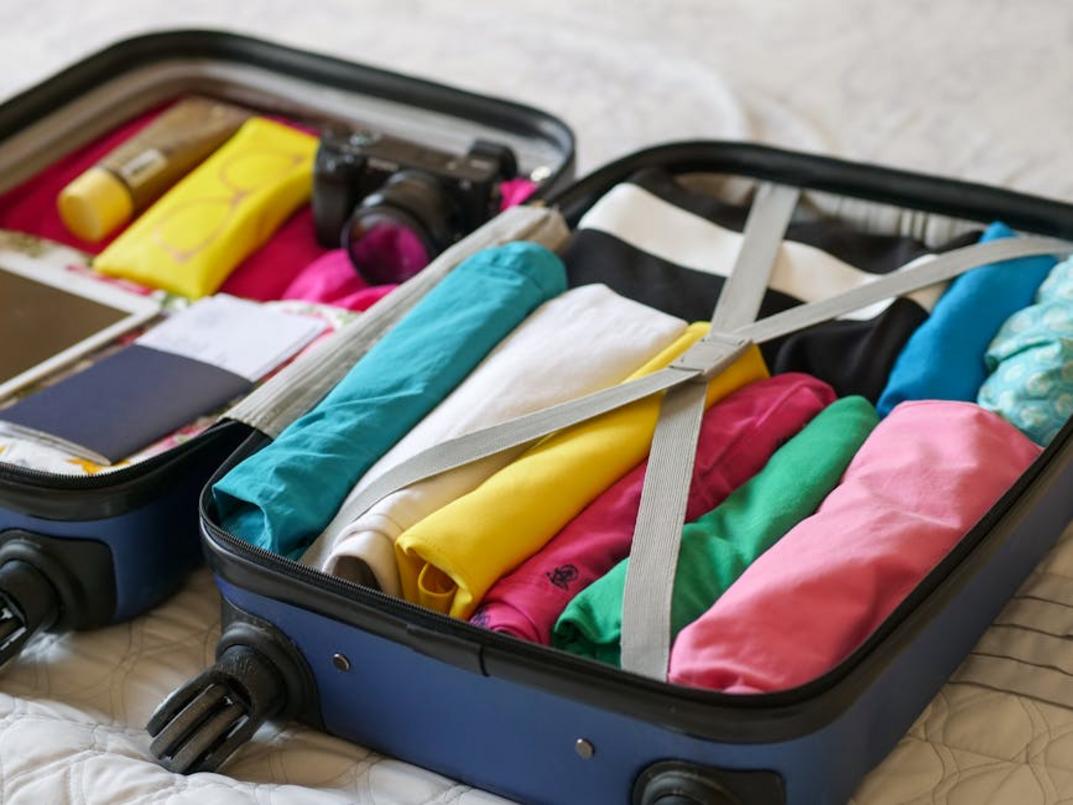
If you’ve ever watched a Tetris champion calmly rotate a block seconds before it locks into place, you already understand the mindset: strategy beats stuffing. When I pack, I always build from the bottom up. Place your heaviest items—think shoes and toiletry bags—at the base of your suitcase near the wheels. This anchors the bag, keeps it stable in transit, and prevents delicate items from getting crushed (because no one enjoys opening a suitcase to find a shampoo explosion).
Next, embrace the “no space wasted” rule. Every gap is prime real estate. Roll socks into shoes, tuck underwear into corners, and slide chargers into small crevices. These small moves may seem obsessive, but they’re classic space saving packing methods that genuinely make a difference.
Then, layer with intention. Start with a foundation of shoes and packing cubes, add a middle layer of folded clothes, and reserve the top for items you’ll need immediately upon arrival. I’m opinionated here: this system beats chaotic folding every time.
For more smart strategies, check out travel essentials for long term backpacking: https://cawuhao.com/travel-essentials-for-long-term-backpacking/.
Pack smart, and your suitcase closes without a wrestling match.
Downsizing Your Essentials: Toiletries, Tech, and Accessories
When you’re packing light, every ounce matters. That’s why switching to solid toiletries—products without water content—can be a game changer. Shampoo bars, conditioner bars, and solid perfume are compact, leak-proof, and TSA-friendly. In other words, no more surprise spills soaking your clothes (we’ve all been there). Because they’re concentrated, they also last longer than liquid versions (Environmental Protection Agency notes that concentrated products reduce packaging waste).
Smart Swaps That Save Space
Equally important, decant everything. Taking full-size bottles “just in case” is how bags get heavy fast. Instead, use travel-sized, reusable silicone bottles. Silicone is flexible and durable, which means fewer cracks and leaks over time. Pro tip: label each bottle clearly to avoid the mystery-lotion problem.
Use space saving packing methods to keep everything streamlined and accessible.
Now, let’s talk tech. Rather than tossing cables loosely into your bag, consolidate them in a dedicated tech organizer pouch. This keeps cords untangled and easy to grab mid-transit. Additionally, invest in a multi-port USB charger so one wall plug powers multiple devices.
| Item | Why It Helps |
|——|————–|
| Solid toiletries | Leak-proof, compact |
| Silicone bottles | Reusable, flexible |
| Tech pouch | Organized storage |
| Multi-port charger | Fewer plugs needed |
Ultimately, small swaps create big space wins.
Your Passport to Stress-Free Packing
You now have a complete toolkit to conquer any packing challenge with confidence. No more last-minute chaos, overstuffed suitcases, or wasted space—just a streamlined system designed to eliminate the stress and inefficiency of a poorly packed bag. By combining the right gear, smart folding techniques, and strategic placement, plus proven space saving packing methods, you’re setting yourself up for smoother, lighter travel every time.
Don’t let packing frustration steal the excitement from your next trip. Put these strategies into action before your next adventure and experience the difference of traveling organized, prepared, and completely stress-free.