
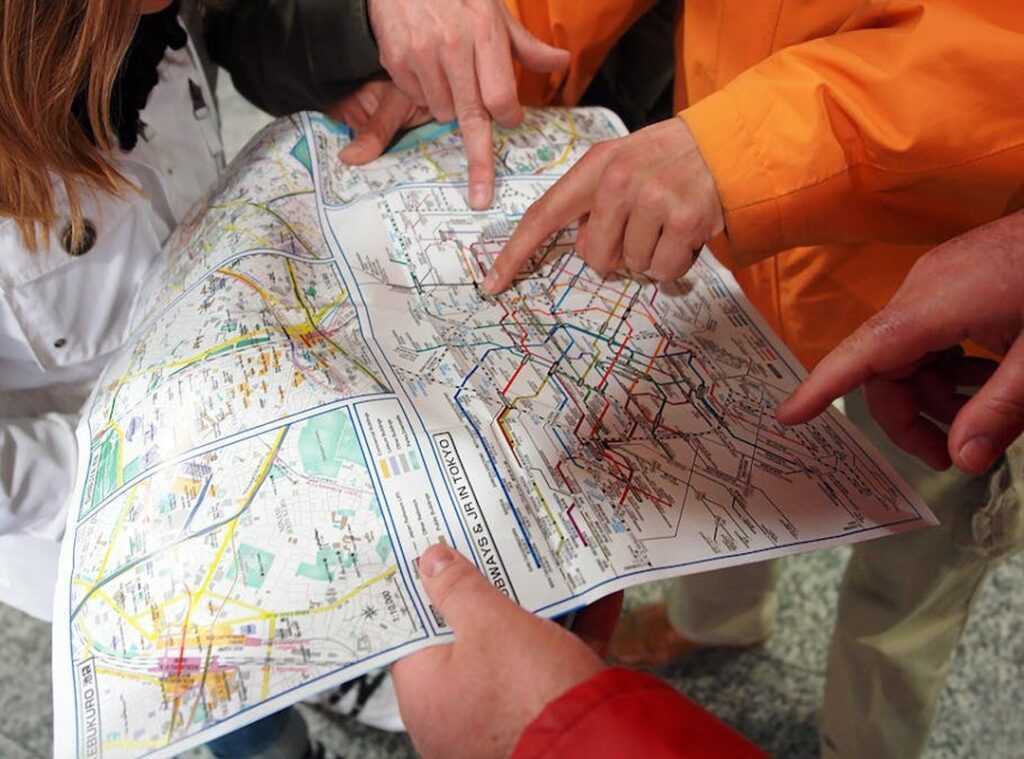
Staring at a map of Tokyo can be overwhelming, right? So many places, so little time. You’re probably wondering how to create a Tokyo itinerary that’s genuinely fun and not just a tick-off-the-list routine.
I’ve been there. Planning a trip is tough, especially when the advice out there feels generic or just too packed. Ever felt that stress of over-scheduling?
Yeah, that’s what we’re avoiding here.
My experience in travel planning taught me the importance of crafting an experience, not just a schedule. You want a plan that fits your unique style. This guide on trip planning Tokyo offers a clear, step-by-step approach to avoid common pitfalls.
Trust me, I get it. Let’s dive into making your Tokyo adventure truly memorable, not a checklist.
Trip Planning Tokyo: Timing, Duration, and Budget
Before you even book a ticket, trip planning Tokyo starts with three key questions: when, how long, and how much? Let’s tackle these one by one.
When to Go: Tokyo’s seasons are distinct, and timing is everything. Spring bursts with cherry blossoms, making it an Instagram dream (seriously, the hype is real). Autumn offers mild weather and stunning foliage. Avoid summer unless you love humidity and swarms of tourists (Golden Week, I’m looking at you).
How Many Days You Need: This depends on your appetite for adventure. For a whirlwind tour, five days will do. Seven to ten days provide a deeper dive, but if you want to explore day trips, think about staying 14 days or more. Trust me, you won’t run out of things to do.
Budgeting Basics: Money can be tricky, but I’ve got you. On a budget? Expect to spend around 8,000-10,000 yen per day. Mid-range is about 15,000-20,000 yen. Feeling luxurious? 30,000 yen and up will cover fancy dinners and swanky accommodations.
If Tokyo’s not your speed, maybe consider exploring wonders of patagonia. It’s another fantastic option worth checking out.
The ‘Theme & Anchor’ Method: Craft Your Perfect Itinerary
Ever felt exhausted just thinking about your travel itinerary? You’re not alone. The key to a memorable trip isn’t cramming every attraction into your schedule but crafting an itinerary that resonates with your interests.
Enter the Theme & Anchor Method. This approach will change how you view trip planning, especially in a bustling city like Tokyo.
Let’s start with the “Theme.” Think of it as the mission statement for your trip. Why are you traveling? Is it for a Foodie Adventure?
Maybe you’re diving into the world of Anime & Pop Culture. A theme gives your trip a focus and makes planning more intentional. It’s the “why” behind every destination you choose.
Next up, the “Anchor.” This is the backbone of your day. It’s a specific neighborhood or attraction around which you’ll base your activities. It prevents you from zigzagging across Tokyo, burning out before lunch.
Say your theme is a Foodie Adventure. Your anchor might be the Tsukiji outer market. Start with a sushi breakfast there and then wander through Ginza in the afternoon.
The anchor gives you a home base for the day.
The beauty of this method? Flexibility. You have structure without feeling shackled by a tight schedule.
If something catches your eye, go for it. You can still enjoy spontaneity without the chaos of an unplanned day.
This isn’t just a plan for trip planning Tokyo. It’s a mindset shift. Embrace the theme, and let the anchor guide you.
It’s your secret weapon for a more enriching travel experience.
Building Your Day: Theme & Anchor Magic
Planning a trip to Tokyo can be a bit like assembling a jigsaw puzzle. Using the “Theme & Anchor” method helps you build your day with purpose. You get the most out of your energy and time.
The 3-Block Day divides your day into Morning, Afternoon, and Evening. It’s not rocket science, but it’s effective.
Morning is your main event. Pick a big, energy-intensive activity. Maybe it’s the Senso-ji Temple in Asakusa.
It’s worth the early rise. You get the place almost to yourself. Or hit up Meiji Jingu in Shibuya.
Both are iconic and require your full attention.
Afternoon is for local exploration. You’ve done the big hit, now roam. After Senso-ji, Kappabashi Kitchen Town is a quirky choice.
It’s all about cooking tools. Ever wanted a knife that cuts through tomatoes like butter? This is where you find it.
Or take a Sumida River cruise and see Tokyo from the water. Both options have their charm.
Evening is for food and fun. Think dinner in Omoide Yokocho after Shinjuku adventures. Or let loose in Shibuya’s nightlife.
Tokyo at night is a different beast. The neon lights, the crowd, the vibe (it’s) electric.
Pro tip: Plan travel time between blocks. Don’t overdo it with museums or temples in one day. Burnout is real.
Save some energy for tomorrow. For more on cultural wonders (like Uncovering Mysteries Ancient Egypt), wander through other resources. Tokyo’s got layers.
Dive in, one block at a time.
Logistics That Make or Break Your Plan
You know what’s underrated in trip planning Tokyo? Logistics. Seriously, it’s these nitty-gritty details that can either make your trip smooth or turn it into a mess.

Let’s start with getting around. The Suica/Pasmo card is a lifesaver for daily travel. Swipe your way through Tokyo’s trains without a hitch.
But if you’re venturing out of Tokyo, the Japan Rail Pass is worth considering. Don’t bother with it if you’re sticking to the city.
Google Maps is your best friend here. It’s surprisingly accurate in Japan. Now, for staying connected: pocket Wi-Fi versus eSIM.
I’ve tried both. Pocket Wi-Fi is a safe bet, especially if you book in advance. It’s reliable and portable.
Perfect for those Instagram uploads. eSIMs are okay if you’re tech-savvy, but I found them a bit of a hassle.
Want to avoid disappointment? Book things like Studio Ghibli Museum tickets as soon as you can. Popular themed cafes and certain high-end restaurants too.
They fill up fast. Trust me on this one.
Finally, cash vs. card. Japan’s a bit stuck in its ways. Cash is still king, especially in smaller shops and restaurants.
Always carry some yen with you. But don’t overdo it (just) enough for day-to-day expenses. Get these logistics right and you’re halfway to a great trip.
Sample Mini-Itineraries: Pop Culture, Traditions, Food
Planning a trip to Tokyo? Let me break it down for you. If you’re a pop culture fan, start with Akihabara and Nakano Broadway.
Don’t miss Shibuya Crossing or the Ghibli Museum.
Now, if you’re mixing tradition with modern vibes, anchor your days around Asakusa, Ueno Park, and Shinjuku Gyoen. Make sure to squeeze in a day trip to Kamakura.
For foodies, it’s all about Tsukiji Outer Market and Shinjuku ramen. You’ll also love depachika (those department store food halls) and Shibuya’s izakayas.
Isn’t this the kind of trip planning Tokyo deserves?
Your Tokyo Adventure Starts Here
You’ve got this. I know trip planning Tokyo felt like a mountain of stress. But now?
You’ve got the tools to dodge a boring, generic trip. No more exhausting schedules. The ‘Theme & Anchor’ method works because it lets you craft a trip around your interests.
You get the flexibility to explore and relax. So, what’s next? Pick your travel theme and one or two must-see anchors.
Then build from there. You’re not just planning a trip; you’re creating an adventure that’s uniquely yours. It’s time to dive in and make your Tokyo dream a reality.
Start now.
 Kelros Quenthos writes the kind of on-the-go packing tips content that people actually send to each other. Not because it's flashy or controversial, but because it's the sort of thing where you read it and immediately think of three people who need to see it. Kelros has a talent for identifying the questions that a lot of people have but haven't quite figured out how to articulate yet — and then answering them properly.
They covers a lot of ground: On-the-Go Packing Tips, Wanderer Highlights, Travel Concepts and Hacks, and plenty of adjacent territory that doesn't always get treated with the same seriousness. The consistency across all of it is a certain kind of respect for the reader. Kelros doesn't assume people are stupid, and they doesn't assume they know everything either. They writes for someone who is genuinely trying to figure something out — because that's usually who's actually reading. That assumption shapes everything from how they structures an explanation to how much background they includes before getting to the point.
Beyond the practical stuff, there's something in Kelros's writing that reflects a real investment in the subject — not performed enthusiasm, but the kind of sustained interest that produces insight over time. They has been paying attention to on-the-go packing tips long enough that they notices things a more casual observer would miss. That depth shows up in the work in ways that are hard to fake.
Kelros Quenthos writes the kind of on-the-go packing tips content that people actually send to each other. Not because it's flashy or controversial, but because it's the sort of thing where you read it and immediately think of three people who need to see it. Kelros has a talent for identifying the questions that a lot of people have but haven't quite figured out how to articulate yet — and then answering them properly.
They covers a lot of ground: On-the-Go Packing Tips, Wanderer Highlights, Travel Concepts and Hacks, and plenty of adjacent territory that doesn't always get treated with the same seriousness. The consistency across all of it is a certain kind of respect for the reader. Kelros doesn't assume people are stupid, and they doesn't assume they know everything either. They writes for someone who is genuinely trying to figure something out — because that's usually who's actually reading. That assumption shapes everything from how they structures an explanation to how much background they includes before getting to the point.
Beyond the practical stuff, there's something in Kelros's writing that reflects a real investment in the subject — not performed enthusiasm, but the kind of sustained interest that produces insight over time. They has been paying attention to on-the-go packing tips long enough that they notices things a more casual observer would miss. That depth shows up in the work in ways that are hard to fake.