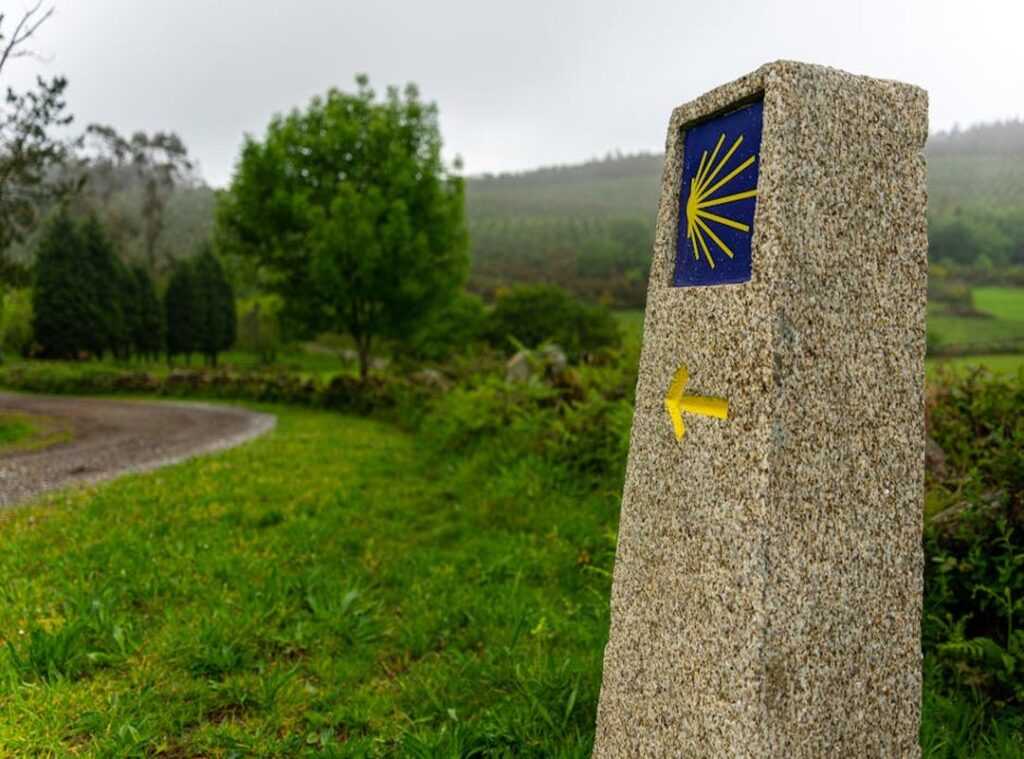
Ever felt the itch to break away from the daily grind? The kind that leaves you restless, craving something more? That’s exactly where the Santiago de Compostela pilgrimage comes in.
It’s not just a walk (it’s) a journey that promises to stretch your limits and feed your soul.
What is it about this pilgrimage that draws so many? Is it the history, the challenge, or just the chance to lose yourself in something bigger? Maybe it’s all of that.
Plenty of folks start on this path for all sorts of reasons. And trust me, each step offers something new.
You might wonder, is it worth it? You bet. We’ve soaked up experiences from countless travelers who’ve journeyed this route.
They say it changes you. You get to see the world (and yourself) from a whole new angle.
Stick with me. You’ll get the full scoop on everything you need to know to make this trip worthwhile.
Walking the Camino: Faith, Redefined
When we talk about the “Journey of Faith” on the Camino, many folks picture some grand spiritual quest. But let’s face it, faith on the Camino is a bit broader than that. “Faith” here isn’t just about religion. It’s about believing in yourself, in humanity, and in the very act of walking.
It’s about putting one foot in front of the other, trusting the road beneath your feet.
Faith in yourself is simple but solid. It’s the belief that you can tackle physical and mental hurdles every day. And believe me, the Camino throws enough of those at you.
These moments remind us that people, for the most part, are good.
Then there’s faith in humanity. I call it the “Camino magic.” You see it when strangers share food or offer a kind word. It’s the camaraderie in the albergues, where everyone shares stories and laughs.
Faith in the process might be the trickiest of all. Trusting that the rhythm of walking, eating, and sleeping will bring clarity or peace isn’t easy. But it works.
I met a pilgrim marking a life transition (starting) a new career. His walk wasn’t about religion but about finding direction. It’s a good reminder that the Santiago de Compostela pilgrimage welcomes all reasons.
So, if you’re thinking about your own journey, remember: your reason is as valid as any. For more on this concept, consider exploring trekking nepal more than views. Whatever your faith looks like, it’s yours to define.
Your Compass: Finding Your Personal ‘Why’
Before setting one foot on the trail, you need to figure out your personal ‘why.’ It’s the most key piece of mental packing you’ll do. Trust me, when you hit those rough patches (and you will), this intention is your compass. You want something to guide you through blisters, bad weather, or when loneliness creeps in like an unexpected guest.
Ask yourself some questions. What am I hoping to leave behind on this trail? Maybe old habits or a nagging feeling that’s been trailing you like a shadow.
What new perspective or feeling do I want to find? Picture it (standing) on some hill, overlooking who-knows-where during your Santiago de Compostela pilgrimage, feeling something shift inside. If this walk could give me one answer, what would the question even be?
And here’s a pro tip. Write your intention on a small stone or a piece of paper. Tuck it in your pocket.
Every time your fingertips brush against it, it’s a reminder (like a secret handshake with your own soul). This isn’t just about sweeping life changes or grand revelations. Your ‘why’ can be simple and honest.
Just yours.
There’s magic in making the abstract concrete. And if this talk about intentions feels a bit abstract, think about the way & pilgrimage. Its essence isn’t about grandeur but about personal journeys.
So set your intention, carry it with you, and let it guide you. It’s small but mighty. No need for it to be more than that.
Trail Tips: Simple Rituals to Enrich Your Journey
Walking the Santiago de Compostela pilgrimage is more than just racking up kilometers. It’s about experiencing each moment with intention. Let me tell you, adopting a few simple rituals can transform your trek.
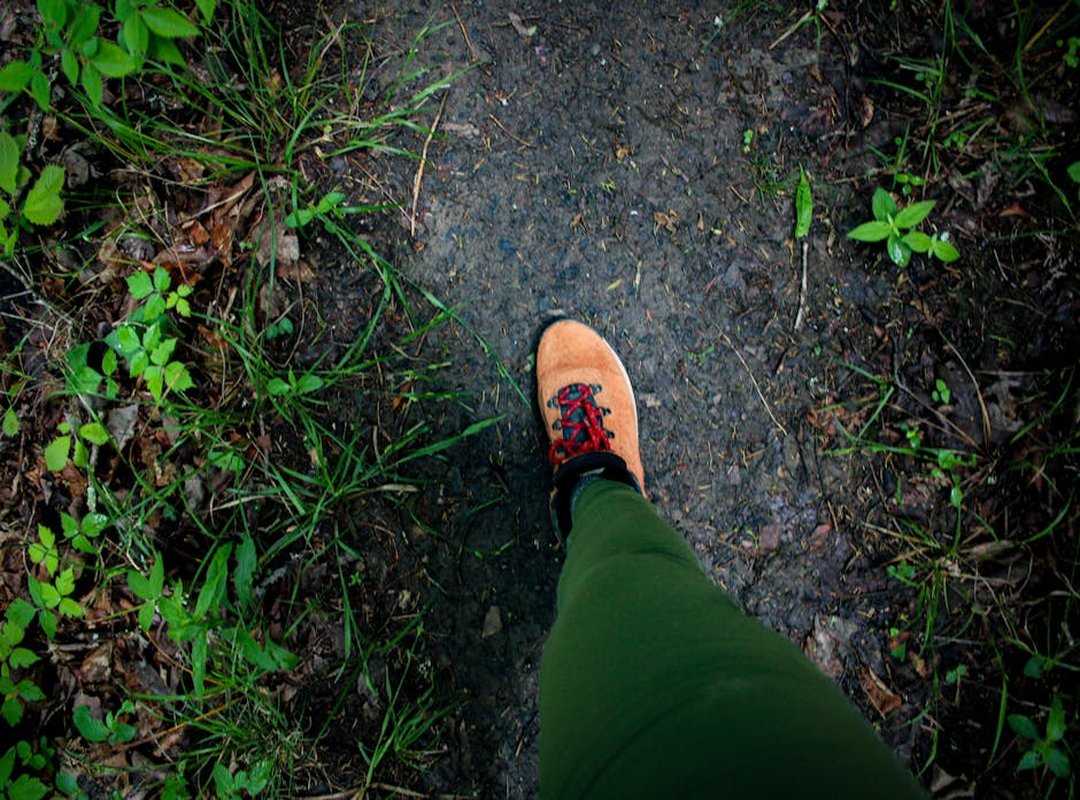
Start each day with the ‘First Kilometre in Silence.’ It’s not rocket science. You walk the first 10-15 minutes without any distractions. No chatting or music.
Just soak in the sounds around you. The crunch of your boots, birds greeting the day, your own breath. It’s grounding.
You’ll feel more connected to the path and yourself.
Then there’s the ‘Three-Senses Check-in.’ A fancy name for a simple act. Pause whenever you remember. Notice three things you can see, two you can hear, and one you can feel (maybe the wind or your pack’s weight).
It’s a quick way to anchor yourself in the present. Sounds a bit like mindfulness, but without all the fluffy language.
End your day with a nod to gratitude. Before crashing into bed (because let’s face it, you’ll be exhausted), think of one small moment of joy or kindness from your day. Maybe it was a shared laugh with a fellow pilgrim or a stunning sunset.
These reflections keep the journey meaningful, reminding you why you started.
Remember, these aren’t chores. They’re just moments to pause and appreciate the journey. Walking shouldn’t just be about the distance.
It’s about transforming the ordinary into the extraordinary.
If you’re into exploring traditional mountain villages alps, I found some great takeaways here. Might make you want to pause and smell the roses too.
These rituals add layers to your trek. They turn walking into something deeper, richer. Try them.
See how they change the way you walk.
The Camino Family: Bonds on the Trail
Walking the Santiago de Compostela pilgrimage, I discovered something unexpected: the Camino Family. It’s not just a term; it’s a feeling. You’re on this path, surrounded by people from every corner of the world, and suddenly, your job title or background just doesn’t matter.
I mean, who cares if you’re a lawyer or a barista when you’re sharing blister stories over dinner at an albergue?
This unique environment dissolves normal social barriers. It’s like being in a bubble where the typical rules don’t apply. Here, people matter more than their résumés.
And those connections? They’re everything. Once, I was struggling with a blister (a nasty one), and a fellow pilgrim offered help without a second thought.
Another time, I had a deep chat with a stranger who, for a moment, felt like a lifelong friend. These aren’t just fleeting encounters. They’re the glue that holds the journey together.
You start to see the Camino Family as a solid force. It’s often said that this community can restore your faith in humanity (and) let me tell you, it’s true. There’s nothing like learning a stranger’s life story while sipping on wine after a long day’s walk.
It’s a reminder that people are fundamentally good at heart.
So, what’s the pro tip here? Simple. Your only task is to say “Buen Camino” and be open to whatever conversation comes next.
That’s it. Be open, be present, and let the Camino work its magic.
The Trail Awaits You
The Santiago de Compostela pilgrimage isn’t about meeting someone else’s spiritual standards. It’s about your personal adventure. You might worry you’re not “spiritual enough” for the Camino.
I get it. But here’s the reality: this journey welcomes everyone, no pre-requisites required. Just bring an open heart and your own intentions.
Stop second-guessing. Your journey starts with a decision, not a plane ticket. Choose to believe it’s worth it.
Take that first step (the rest will follow). The Camino is waiting, ready to meet you exactly where you stand. Ready to start?
Your path is calling.
 Chunanirala Johnson writes the kind of cultural trekking insights content that people actually send to each other. Not because it's flashy or controversial, but because it's the sort of thing where you read it and immediately think of three people who need to see it. Chunanirala has a talent for identifying the questions that a lot of people have but haven't quite figured out how to articulate yet — and then answering them properly.
They covers a lot of ground: Cultural Trekking Insights, Destination Plans and Discoveries, Hidden Gems, and plenty of adjacent territory that doesn't always get treated with the same seriousness. The consistency across all of it is a certain kind of respect for the reader. Chunanirala doesn't assume people are stupid, and they doesn't assume they know everything either. They writes for someone who is genuinely trying to figure something out — because that's usually who's actually reading. That assumption shapes everything from how they structures an explanation to how much background they includes before getting to the point.
Beyond the practical stuff, there's something in Chunanirala's writing that reflects a real investment in the subject — not performed enthusiasm, but the kind of sustained interest that produces insight over time. They has been paying attention to cultural trekking insights long enough that they notices things a more casual observer would miss. That depth shows up in the work in ways that are hard to fake.
Chunanirala Johnson writes the kind of cultural trekking insights content that people actually send to each other. Not because it's flashy or controversial, but because it's the sort of thing where you read it and immediately think of three people who need to see it. Chunanirala has a talent for identifying the questions that a lot of people have but haven't quite figured out how to articulate yet — and then answering them properly.
They covers a lot of ground: Cultural Trekking Insights, Destination Plans and Discoveries, Hidden Gems, and plenty of adjacent territory that doesn't always get treated with the same seriousness. The consistency across all of it is a certain kind of respect for the reader. Chunanirala doesn't assume people are stupid, and they doesn't assume they know everything either. They writes for someone who is genuinely trying to figure something out — because that's usually who's actually reading. That assumption shapes everything from how they structures an explanation to how much background they includes before getting to the point.
Beyond the practical stuff, there's something in Chunanirala's writing that reflects a real investment in the subject — not performed enthusiasm, but the kind of sustained interest that produces insight over time. They has been paying attention to cultural trekking insights long enough that they notices things a more casual observer would miss. That depth shows up in the work in ways that are hard to fake.