
Travel today moves fast—crowded itineraries, rushed photo stops, and checklists that leave little room for real connection. If you’re searching for a more meaningful way to explore the world, this guide is designed to help you embrace the slow travel philosophy and transform the way you experience each destination.
Instead of racing from landmark to landmark, we’ll show you how to build thoughtful destination plans, discover hidden wanderer highlights, and apply practical travel hacks that make every journey smoother and more immersive. From cultural trekking insights to smart, on-the-go packing tips, this article focuses on helping you travel deeper—not just farther.
Our insights are shaped by extensive destination research, conversations with local guides and seasoned trekkers, and hands-on travel testing across diverse regions. The goal is simple: give you reliable, experience-backed strategies that help you connect with places authentically, travel efficiently, and return home with stories that go beyond the surface.
Beyond the Itinerary: Rediscovering the Art of Travel
If you’re exhausted from racing between landmarks, you’re not alone. Checklist tourism promises highlights but delivers burnout. The fix? Embrace slow travel philosophy and choose DEPTH over speed.
Start here:
- Stay longer in one neighborhood.
- Learn five local phrases.
- Skip one “must-see” for a café conversation.
Yes, some argue cramming sights maximizes value. But memories aren’t receipts. When you linger, you notice textures, routines, humor—real life.
PRO TIP: Schedule unscripted hours daily.
Travel LESS. Experience MORE. Let moments breathe, and watch connection replace exhaustion. Every journey deserves deeper presence.
What Does It Mean to Travel Leisurely?
To travel leisurely isn’t about doing less—it’s about experiencing more. It means choosing presence over pressure. While mass tourism focuses on racing through landmarks (the classic “seven countries in ten days” itinerary), leisurely travel prioritizes depth. You trade the checklist for connection.
Research supports this approach: a 2023 Booking.com survey found that 76% of travelers want more authentic, local experiences rather than crowded tourist circuits. That shift reflects the growing appeal of slow travel philosophy—staying longer, engaging deeper, and reducing environmental strain.
• Connection over collection: Instead of snapping photos of three cities in a week, you might spend that time exploring one city and its surrounding countryside—learning local recipes, chatting with shop owners, or attending a neighborhood festival.
Importantly, this is a mindset, not a budget. Backpackers lingering in hostels and luxury travelers renting countryside villas can both embrace it. The common thread? Time invested intentionally (and fewer frantic airport sprints).
The Transformative Benefits of a Slower Pace
Deeper Cultural Immersion
Staying longer in one place transforms you from a checklist tourist into something far cooler: a temporary local. When you linger, you trade crowded landmarks for neighborhood cafés, back-alley bakeries, and tiny artisan workshops where the owner actually remembers your name (and your coffee order). That’s the magic of slow travel philosophy. Instead of sprinting through cities like you’re on a reality show called Amazing Race: Budget Edition, you notice the rhythms—morning market chatter, afternoon siestas, evening strolls.
Pro tip: Visit the same spot twice. The second visit is when conversations start.
Reduces Travel Burnout
Fast travel looks glamorous on Instagram. In reality? It’s 6 a.m. alarms, suitcase Tetris, and wondering what day it is. Constant transit drains you mentally and physically (yes, airport food counts as a stressor). Slowing down means:
- Fewer flights and frantic check-ins
- More rest and real downtime
- Space to actually enjoy where you are
Some argue that packing more destinations into a trip maximizes value. Fair. But exhaustion isn’t a souvenir anyone wants. Studies show that travel-related stress increases with tight schedules and frequent transitions (Global Business Travel Association, 2022). More isn’t always better—sometimes it’s just louder.
Fosters Authentic Connections
When you stay put, conversations deepen. A shopkeeper recommends her favorite bakery. A neighbor invites you to a festival. These aren’t moments you book; they unfold. (Think Before Sunrise, minus the dramatic train departure.)
More Sustainable and Responsible
Fewer flights mean lower carbon emissions (International Energy Agency, 2023). Spending longer locally channels money directly into small businesses. If you’re dreaming of epic scenic routes around the world worth the journey, consider stretching the timeline. The journey feels richer when you’re not racing it.
Your Guide to Planning an Immersive Journey
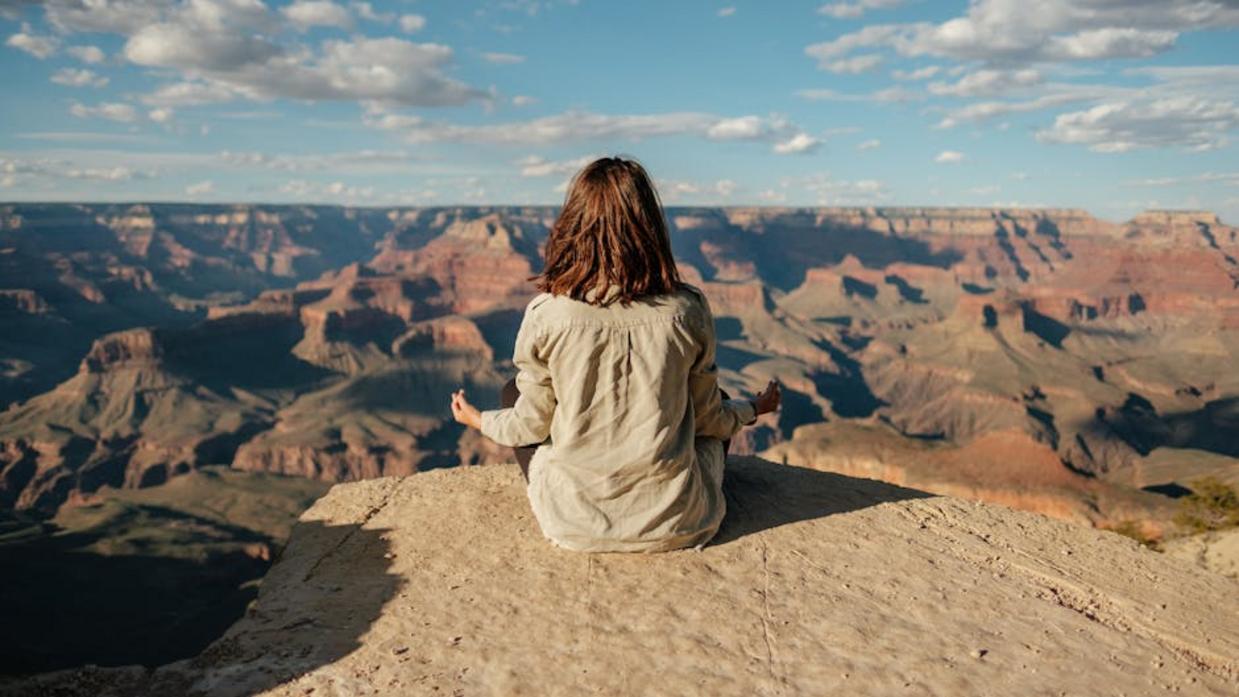
I once landed in Lisbon with a color-coded spreadsheet, eight museums booked, and exactly zero breathing room. By day three, I was exhausted and oddly disconnected. That trip taught me the power of doing less—and experiencing more.
Choose a “Home Base”
Instead of bouncing between hotels, pick one apartment or hotel and stay put. A home base simply means a single accommodation you return to each night while exploring nearby neighborhoods or towns. When I stayed in Florence for ten days, the barista began remembering my order (a small thing, but it felt like belonging). Research shows familiarity increases emotional connection to place (Journal of Environmental Psychology, 2014). Some travelers argue that moving constantly maximizes what you see. True—but staying longer helps you feel a destination rather than just photograph it.
Prioritize Experiences, Not Sights
A monument is a landmark; an experience is participation. Think cooking classes, morning markets, or learning basic phrases. In Kyoto, I skipped one famous temple to join a home kitchen workshop. Guess which memory stuck? (Hint: it involved miso soup and laughter.) Even Rick Steves often advocates cultural immersion over checklist tourism.
Build “Empty Space” into Your Plan
Unscheduled days invite serendipity. Empty space means intentionally free time with no agenda. During one open afternoon in Mexico City, I wandered into a neighborhood festival I hadn’t planned for. That spontaneity embodies slow travel philosophy. Critics say loose plans waste precious vacation days. I’d argue the opposite: curiosity thrives without a stopwatch.
Leverage Local Transport
Buses, trains, and walking align you with daily rhythms. Public transit isn’t just movement; it’s observation. (Pro tip: ride during non-rush hours for calmer interactions.) Sociologists note shared transit fosters social awareness (American Public Transportation Association).
Travel Hack
Use Google Maps to “save” spots locals recommend. Over time, you’ll build a personalized map—less tourist trap, more treasure hunt. And isn’t that the point?
Packing for Presence: The On-the-Go Essentials
First, embrace the “One Bag” philosophy—packing everything into a single carry-on. It forces intention. Fewer items mean fewer decisions (and fewer baggage claims), freeing you to focus on the moment. Some argue more options equal comfort. In reality, lighter bags create lighter minds.
Next, build a versatile wardrobe. Choose neutral, multi-purpose layers that blend with local style instead of broadcasting “tourist.” Think breathable fabrics, comfortable shoes, and pieces that transition from museum mornings to street-food nights.
Finally, prioritize essentials: a journal, reusable bottle, power bank, and compact daypack. Follow slow travel philosophy, and pack accordingly.
For more ideas, explore this packing checklist.
Last year, after a decade of racing through airports and attractions, I realized something: the rush was the problem. Checklist tourism promises efficiency, but it often delivers exhaustion. By choosing one home base for a week instead of five cities, you give yourself time to notice the corner bakery, the changing light, the rhythm of local life. That’s the heart of slow travel philosophy. Stay longer, go deeper. Over months of planning, travelers find cutting itineraries in half creates richer memories (and fewer blisters). For your next trip, try it: pick one place, linger, and let the journey unfold naturally.
Embrace the Journey
You set out looking for smarter ways to explore, pack lighter, and experience destinations more meaningfully—and now you have the tools to do exactly that. From practical packing hacks to immersive cultural trekking insights, you’re better prepared to travel with confidence instead of stress.
The frustration of rushed itineraries, overstuffed bags, and поверхicial experiences doesn’t have to define your next trip. By embracing the slow travel philosophy, you give yourself permission to connect deeper, move intentionally, and create memories that actually last.
Now it’s time to put this into action. Choose one destination plan, simplify your packing list, and build your itinerary around experiences—not checklists. If you’re ready to travel smarter and more meaningfully, explore more of our proven wanderer highlights and practical travel hacks today. Thousands of modern explorers already use these insights to transform the way they journey—start planning your next unforgettable adventure now.