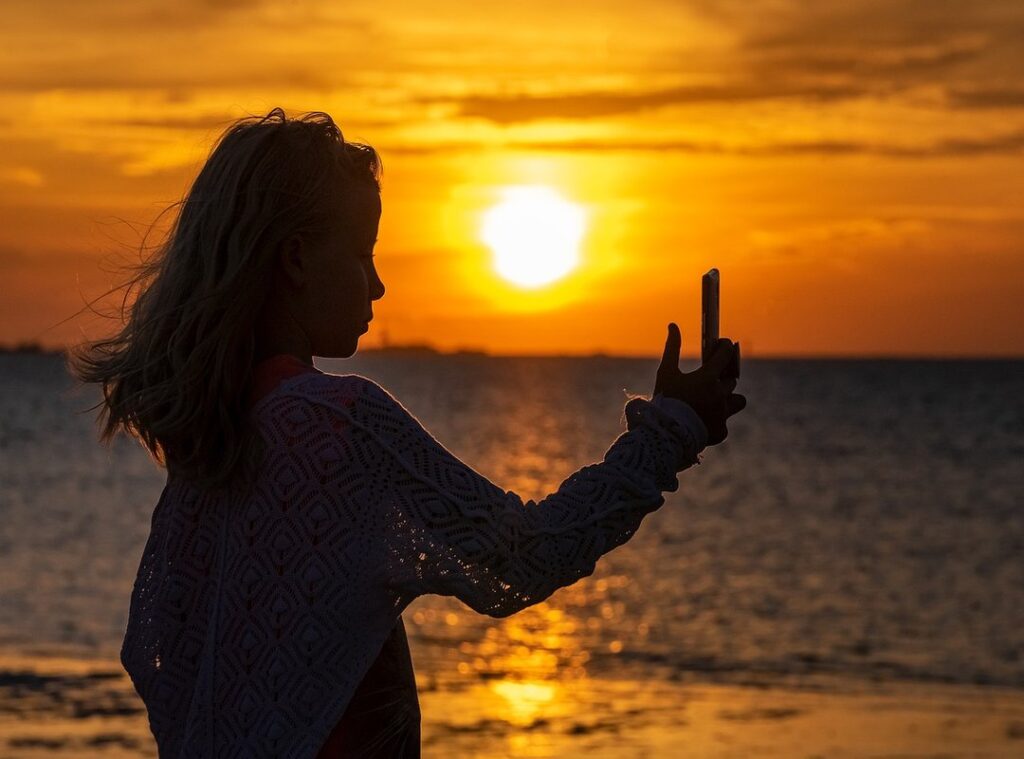
You know that hazy, ethereal, almost vintage photo style that’s all over social media? It’s the blurry girl mirror selfie aesthetic. But let’s be real, getting that perfect dreamy blur isn’t as easy as it looks.
It can be frustrating, right? You want that effortless, candid vibe, but your photos just don’t seem to hit the mark.
This guide is here to help. I’ll break down the exact steps, from camera tricks to editing apps, so you can master this soft-focus look.
It’s not just about taking a blurry picture. It’s about capturing a specific mood, a feeling, and a personal aesthetic.
Don’t worry, you don’t need fancy equipment. Just your smartphone and a bit of creativity will do. Let’s get started.
Decoding the Aesthetic: More Than Just a Blurry Photo
Let’s get one thing straight. The blurry girl mirror selfie aesthetic isn’t just about taking a hazy photo. It’s a whole vibe.
The core of this style is a gentle haze, like a soft morning mist. Think of it as a warm, cozy blanket over your photos. Blooming highlights add to the dreamy feel, where bright lights have a soft, almost ethereal glow.
Colors are usually muted or warm, like a well-worn vintage film. This creates a nostalgic, film-like quality that feels both timeless and intimate.
It’s all about evoking a feeling of quiet confidence. Not the in-your-face, sharp details you see in other styles. Instead, it’s more like a whispered secret, something personal and close to the heart.
Compare this to the ‘baddie’ aesthetic, with its sharp, high-contrast look. That’s all about boldness and standing out, and the soft-focus aesthetic?
It’s more like a gentle hug, less performative and more authentic.
There’s a psychology behind why this style appeals to so many. It feels real, personal, and less staged. Like a candid moment captured in time, rather than a meticulously planned shot.
Imagine a sun-drenched morning selfie with light pouring through a window. Or a moody, lamp-lit evening selfie with a warm, inviting glow. These aren’t just photos; they’re moments that tell a story.
In a world full of polished, perfect images, the blurry girl mirror selfie aesthetic stands out by being quietly, beautifully imperfect.
The Gear and Apps You Need for That Ethereal Glow
Let’s get one thing straight. You don’t need a fancy camera to capture that ethereal, soft-focus look. Your smartphone is more than enough.
Just make sure you’re using the higher-quality back camera for the best results.
Now, for that soft-focus effect, here’s a little trick. Smudge a tiny, clean amount of lip balm or petroleum jelly on the very edge of the lens. It creates a dreamy, blurry girl mirror selfie aesthetic.
(Just remember to clean it off gently with a microfiber cloth afterward.)
Lighting is key. Use diffused natural light from a window, ideally through sheer curtains. This creates a soft, flattering glow.
Avoid harsh, direct overhead lighting or direct flash. They create sharp shadows and ruin the vibe.
For editing, I recommend apps like VSCO, Tezza, or Dazz Cam. These apps have tools that can really bring out that ethereal feel. Lower ‘Clarity’ or ‘Texture’, increase ‘Grain’, and use ‘Glow’ or ‘Bloom’ effects.
Here’s a quick step-by-step:
- Lower Contrast (-15).
- Lower Clarity (-25).
- Add Grain (+10).
- Apply a warm filter like VSCO’s C1 at 50% strength.
These simple steps can transform your photos, giving them that soft, glowing look you’re after. And hey, if you’re planning a trip to capture some stunning shots, check out desert adventures planning trips to arid landscapes. It’s a great way to find inspiration and tips for your next photo adventure.
Posing and Composition: Nailing the Effortless Vibe
The setting is key. A clean but ‘lived-in’ background feels more real. Think of a tidy bed, a bookshelf, or some plants.
It’s way more authentic than a blank wall.
A vintage or simple framed mirror works best. It adds a touch of that blurry girl mirror selfie aesthetic without being too overdone.
Now, let’s talk poses. Try partially obscuring your face with your phone. Or, how about a candid glance away from the camera?
Sitting on the floor leaning against a bed can also look great. And don’t forget to snap a shot of the outfit details.
Composition matters too. Use the rule of thirds to place yourself off-center. This makes the photo more interesting.
Shooting from a slightly lower angle can make you look more powerful. It’s a small change that makes a big difference.
Props can tell a story. Add a coffee mug, a book, a bouquet of flowers, or even a pet. These little touches add personality and make the photo feel more personal.
Clothing and textures are important. Soft knits, linen, and silk can complement the soft-focus aesthetic. They complete the overall mood and make the photo feel more cohesive.
So, there you have it. Simple tips to nail that effortless vibe in your photos.
Finding Your Signature Mirror Selfie Style
Replicating those dreamy, artistic selfies can feel intimidating. But remember, the key elements—soft light, a simple lens trick, and subtle editing—are easily within your reach.
blurry girl mirror selfie aesthetic is all about capturing that soft, ethereal look.
Pick just one technique from the guide, like the window lighting tip, and try it this week. The goal isn’t to copy others, but to use these tools to develop a unique style that expresses your personal creativity and mood.
 Chunanirala Johnson writes the kind of cultural trekking insights content that people actually send to each other. Not because it's flashy or controversial, but because it's the sort of thing where you read it and immediately think of three people who need to see it. Chunanirala has a talent for identifying the questions that a lot of people have but haven't quite figured out how to articulate yet — and then answering them properly.
They covers a lot of ground: Cultural Trekking Insights, Destination Plans and Discoveries, Hidden Gems, and plenty of adjacent territory that doesn't always get treated with the same seriousness. The consistency across all of it is a certain kind of respect for the reader. Chunanirala doesn't assume people are stupid, and they doesn't assume they know everything either. They writes for someone who is genuinely trying to figure something out — because that's usually who's actually reading. That assumption shapes everything from how they structures an explanation to how much background they includes before getting to the point.
Beyond the practical stuff, there's something in Chunanirala's writing that reflects a real investment in the subject — not performed enthusiasm, but the kind of sustained interest that produces insight over time. They has been paying attention to cultural trekking insights long enough that they notices things a more casual observer would miss. That depth shows up in the work in ways that are hard to fake.
Chunanirala Johnson writes the kind of cultural trekking insights content that people actually send to each other. Not because it's flashy or controversial, but because it's the sort of thing where you read it and immediately think of three people who need to see it. Chunanirala has a talent for identifying the questions that a lot of people have but haven't quite figured out how to articulate yet — and then answering them properly.
They covers a lot of ground: Cultural Trekking Insights, Destination Plans and Discoveries, Hidden Gems, and plenty of adjacent territory that doesn't always get treated with the same seriousness. The consistency across all of it is a certain kind of respect for the reader. Chunanirala doesn't assume people are stupid, and they doesn't assume they know everything either. They writes for someone who is genuinely trying to figure something out — because that's usually who's actually reading. That assumption shapes everything from how they structures an explanation to how much background they includes before getting to the point.
Beyond the practical stuff, there's something in Chunanirala's writing that reflects a real investment in the subject — not performed enthusiasm, but the kind of sustained interest that produces insight over time. They has been paying attention to cultural trekking insights long enough that they notices things a more casual observer would miss. That depth shows up in the work in ways that are hard to fake.