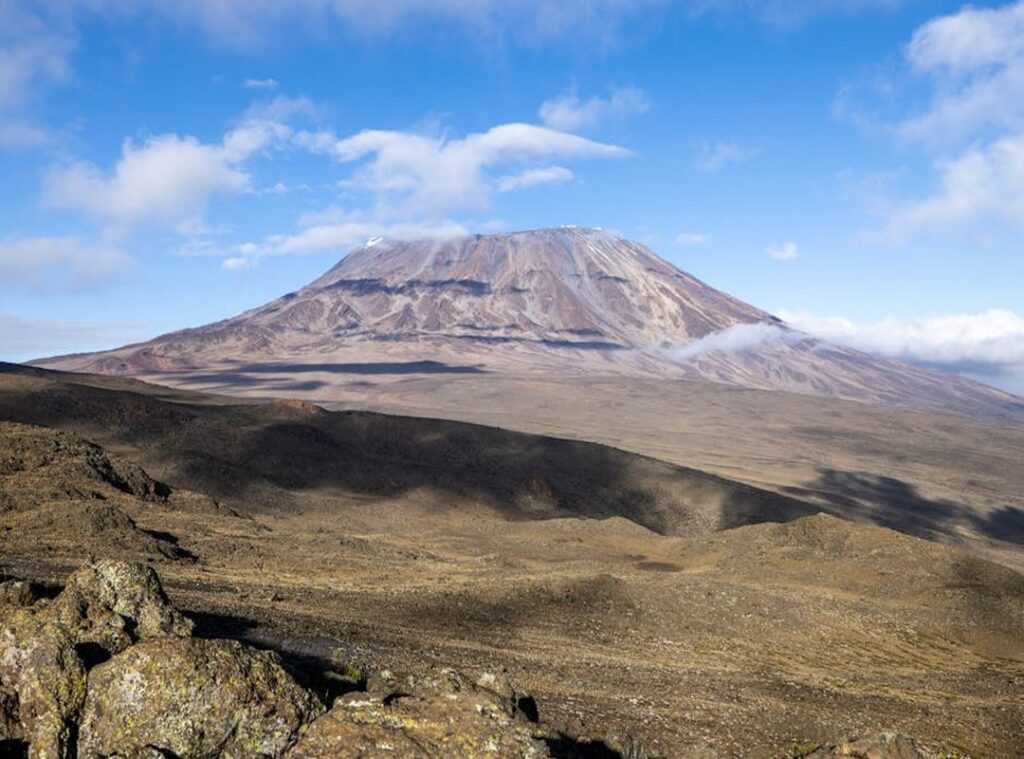
Dreaming of that iconic Kilimanjaro summit photo? Sure, reaching the top is cool, but let’s face it: the real magic often happens at the base. Too many travelers miss out on the rich Mount Kilimanjaro culture, leaving with sore legs and a summit certificate, nothing more.
It’s a shame, really. You want more than just a climb, right? This guide will show you how to connect with the locals, offering authentic experiences that rival the climb itself.
Trust me, these takeaways come straight from real interactions on the ground, not some glossy travel brochure. Ready for a deeper adventure?
Meet the Chagga: Coffee, Caves, and Waterfalls
Ever wondered what makes Mount Kilimanjaro culture so unique? The Chagga people. These folks are the guardians of the mountain.
Now, let’s talk coffee. You join a Chagga coffee tour, start to finish, bean to cup. You pick the beans yourself, grind them, roast them, and then (the best part) drink the fruits of your labor.
They’ve been living on its slopes for centuries, holding secrets that date back to times when stories were passed down by the firelight. They’re like the gatekeepers of an ancient world we rarely get to see.
It’s refreshingly intimate. None of that rushed tourist stuff. It’s just you, a few new friends, and a conversation with locals who know these lands like the back of their hand.
Don’t you hate it when tours feel commercialized? None of that here.
Next, you hike to Materuni Waterfall. Picture this: lush greenery all around, mist cool on your face, and the distant roar of water. It’s like stepping into a National Geographic special.
And yes, you can swim. It’s physical, sure, but more than that, it’s a cultural immersion. Local guides lead you through paths their ancestors walked.
It’s not just a hike; it’s walking through history.
The Chagga Caves bring the past to life. These caves once provided refuge from Maasai warriors. Imagine hiding out in those dark, secret places.
History here isn’t just something you read. It’s something you feel, touch, and walk through.
A few tips from me to you. Wear good walking shoes. Your feet will thank you.
Bring some cash for tips and souvenirs. Locals appreciate it, and it supports the community. Pack a swimsuit for that waterfall dip.
And hire a local certified guide. They know their stuff and your money stays where it matters.
And hey, if you’re intrigued by the stories behind other landscapes, check out the Lore Behind Inca Trail. It’s a whole other world of intrigue.
Visiting the Chagga is more than a trip. It’s connecting with a culture and its history. Why settle for anything less?
A Day with the Maasai: More Than Just a Visit
Let’s get to it. I know what you’re thinking. No one wants their trip to feel like a human safari.
You’re not alone in worrying that visiting a Maasai village might just be a tourist trap. It’s a real concern. Some experiences can feel fake if done wrong.
The key is finding an authentic connection.
You’re probably asking, “How do I find the real deal?” I’ll tell you. The trick is booking through a reputable local operator. You need someone who has a genuine and long-standing relationship with a particular village.
Not just those quick stops at a roadside “cultural boma.” That’s key for authenticity and respect.
So, what’s an authentic visit look like? Picture a welcome song and dance. The Maasai call it the ‘adumu’.
The famous jumping dance. It’s incredible. Then there’s a tour of a traditional mud-and-stick manyatta.
And a fire-making demonstration. It’s a glimpse into a life that’s fascinating and entirely different from what most of us know.
But don’t just observe. Engage. It’s not a one-way street.
Ask questions. They love sharing their way of life, traditions, and the challenges that come with the modern world. But ask with respect.
It’s key. You’re a guest in their home, after all.
Now, onto etiquette. It’s simple, but often overlooked. Always ask before you photograph.
Imagine someone snapping your picture without asking. Weird, right? Buy handicrafts directly from the artisans if you want.
But never feel pressured. Smile and keep an open mind. It’s amazing how far that goes.
There’s a cultural exchange in all of this. The Maasai share their world, and you share yours. It’s an exchange that enriches both sides.
And speaking of cultural exchanges, if you’re keen to learn more about mount kilimanjaro parks cultural and human dimensions, there’s a lot to explore.
Respect goes a long way when exploring the Mount Kilimanjaro culture and beyond. Pro tip: Take a moment to just be present. Let the experience sink in without rushing.
Life’s short. Why not make the most of it by connecting with genuine human stories?
Moshi Town Uncovered: Markets, Food, and Local Life
Moshi isn’t just a pit stop for your Mount Kilimanjaro adventure. It’s a town with its own vibe and energy. Ever wandered through a bustling market and felt the pulse of local life?
That’s Mbuyuni Market for you. The kaleidoscope of colors from fresh produce, the intoxicating aroma of spices, and the intriguing piles of ‘mitumba’ (secondhand clothes) will make your senses dance. It’s like stepping into a different world.
Now, if you’re anything like me, food is a big part of travel. You can’t leave Moshi without trying ‘chipsi mayai’ (a unique chips omelet) or the delicious ‘nyama choma’ (grilled meat). You can find these gems at street stalls or small local restaurants.
Trust me, these flavors are unforgettable.
While you’re at it, take a moment to just sit in a local cafe, sip on some coffee, and watch the world go by. Sometimes the best cultural experiences are the simplest ones.
And getting around? Walking is easy, but if you want to explore more, hop on a ‘bajaji’ (those fun three-wheeled taxis). They’re cheap and add a bit of adventure to your day.
Speaking of culture, if you’re into exploring traditional mountain villages alps, Moshi offers a similar charm with its own twist. It’s a town that deserves more than a quick glance. Dive in and appreciate its unique character.
Mastering Your Cultural Itinerary: Plan Like a Pro
When it comes to experiencing Mount Kilimanjaro culture, planning your activities is key. Should you book before you go or when you arrive? Well, booking ahead locks in your spot (but watch out, it might cost more).
Booking in Moshi means flexibility and possibly lower prices, though it demands some local research.
Pro tip: Use a reputable local tour operator. They make sure fair pay for guides and that your experience is the real deal.
I suggest planning these activities around your climb. They’re perfect for acclimatization or recovery. You’ve got time before or after the big trek, so why not dive into the culture?
It’s not just about the climb. It’s about what you gain beyond the summit.
Discover the Heart of Kilimanjaro
Climbing Kilimanjaro is unforgettable, but the real magic lies in the Mount Kilimanjaro culture surrounding it. Don’t just focus on the summit. Meet the Chagga and Maasai people.
Their stories and traditions add depth to your journey. You’ve come all this way; why miss what’s right at the base? Engaging with local communities enriches your adventure, making it truly unforgettable.
Start planning today. Look into local tour operators who offer cultural experiences. Dive into the lively life around Kilimanjaro.
Don’t just climb the mountain; experience its soul. Your adventure awaits. Don’t leave it half-lived.
 Chunanirala Johnson writes the kind of cultural trekking insights content that people actually send to each other. Not because it's flashy or controversial, but because it's the sort of thing where you read it and immediately think of three people who need to see it. Chunanirala has a talent for identifying the questions that a lot of people have but haven't quite figured out how to articulate yet — and then answering them properly.
They covers a lot of ground: Cultural Trekking Insights, Destination Plans and Discoveries, Hidden Gems, and plenty of adjacent territory that doesn't always get treated with the same seriousness. The consistency across all of it is a certain kind of respect for the reader. Chunanirala doesn't assume people are stupid, and they doesn't assume they know everything either. They writes for someone who is genuinely trying to figure something out — because that's usually who's actually reading. That assumption shapes everything from how they structures an explanation to how much background they includes before getting to the point.
Beyond the practical stuff, there's something in Chunanirala's writing that reflects a real investment in the subject — not performed enthusiasm, but the kind of sustained interest that produces insight over time. They has been paying attention to cultural trekking insights long enough that they notices things a more casual observer would miss. That depth shows up in the work in ways that are hard to fake.
Chunanirala Johnson writes the kind of cultural trekking insights content that people actually send to each other. Not because it's flashy or controversial, but because it's the sort of thing where you read it and immediately think of three people who need to see it. Chunanirala has a talent for identifying the questions that a lot of people have but haven't quite figured out how to articulate yet — and then answering them properly.
They covers a lot of ground: Cultural Trekking Insights, Destination Plans and Discoveries, Hidden Gems, and plenty of adjacent territory that doesn't always get treated with the same seriousness. The consistency across all of it is a certain kind of respect for the reader. Chunanirala doesn't assume people are stupid, and they doesn't assume they know everything either. They writes for someone who is genuinely trying to figure something out — because that's usually who's actually reading. That assumption shapes everything from how they structures an explanation to how much background they includes before getting to the point.
Beyond the practical stuff, there's something in Chunanirala's writing that reflects a real investment in the subject — not performed enthusiasm, but the kind of sustained interest that produces insight over time. They has been paying attention to cultural trekking insights long enough that they notices things a more casual observer would miss. That depth shows up in the work in ways that are hard to fake.